

9 REASONS WHY YOU FEEL BLOATED ALL THE TIME
Being bloated is no fun, and we’ve all been there. Whether it was an ice cream sundae bar or Chinese buffet, there’s been a time that we just ate too much and had to loosen the belt a few notches just to get some extra relief. However, bloating can happen for a number of reasons—some not related to food.
What is bloating?
Bloating may feel different person-to-person, but it’s typically described as feeling full or larger to an uncomfortable degree. Generalized bloating can be throughout the body where the body is holding on to a bit more water than normal, but there is also localized bloating that can happen where organs have become swollen and are causing discomfort.
“When someone feels bloated, it can be tricky because bloating is an umbrella term that can be used to describe the general feeling of tightness throughout.” “Bloating and swelling can cause problems and be the cause of an array of other problems, so it’s best to know what kind of bloating we are dealing with.”
The bloating can be swelling, gaseous pressure or water weight, and the causes of bloating can be serious, or—more times than not—trivial.
1. Overeating
When you think of bloating, Thanksgiving dinner is probably one of the first things that comes to mind. Overeating is probably the most common cause of bloating, and there are tips to help you manage your portion sizes.
“Choosing a smaller plate can help you eat less in a sitting.” “Also, slowing down when you eat gives your body an easier time digesting the food, and it can tell your body that you’re full.”
2.Having a food intolerance
Typically, if someone is feels bloated, it is because of their food or water intake, but even if you haven’t eaten too much, you may have eaten the wrong thing. Certain food intolerances or sensitives to spicy or acidic foods can cause the gastrointestinal (GI) tract to have a more difficult time than usual.
“An undiagnosed intolerance to foods can cause a lot of bloating.” “The body is trying to break down the foods for the body to use, and a lot of gas can be the result of that work.”
3.Enjoying a high-starch or high-sodium diet
Diets high in sodium can cause water retention, and foods high in starch can increase the amount of gaseous bloating.
“Everyone is a little bit different, and what causes bloating in one person won’t always affect another person, “It’s really just about learning what foods cause you discomfort and limiting them in your diet. Foods heavy in starches—such as beans, legumes and bread—can help you feel fuller longer, but they can also cause someone to feel bloated.”
Certain over-the-counter medications, such as antacids, can be used to treat bloating caused by foods. These drugs work by enabling gas build up to pass more easily through the body and reduce the amount of bloating. Not all over-the-counter medications work the same, so talk to your health care provider or pharmacist about your symptoms so you can choose the right type of medication.
4.Consuming packaged foods
Packaged foods are a convenient snack, and you can easily fall into the habit of building your meal plan around them. However, packaged meals—which are notoriously high in sodium—tend to also be high in a chemical called monosodium glutamate (MSG), which can cause you to feel like you just ate an entire day’s worth in a single sitting.
“MSG has been known to cause bloating in some people, and it’s a common ingredient used to preserve freshness.” “It’s common to see MSG in buffets, Chinese food and packaged meals.”
5.Eating too late
An old myth states that eating too close to bedtime can cause weight gain, but that’s not necessarily true. Eating more calories than you burn causes weight gain. Still, having a heavy meal before bed can cause you to feel as if you’ve gained a lot of weight overnight.
When you sleep, your digestive system isn’t working as hard as when you’re awake, and being in a reclined position can cause some discomfort during the night and in the morning—when you’re supposed to feel at your leanest.
6.Drinking too much soda
Carbonated beverages, such as soda or sparkling water, are a common reason for bloating. The fizz in your favorite sodas (even diet ones) can cause gas to get trapped in your stomach, which can lead to bloating and belching.
Try limiting the amount of soda you drink and switch to a healthier alternative. Water with cucumber or lemon can offer a flavorful drink with your meal, and black tea can provide the caffeine kick you may need in the early afternoon. If you’re already feeling bloated, peppermint tea is a common remedy that can be used to help reduce the discomfort.
7.Swallowing too much air
Most people think of taking in air when they inhale, but it can also be done a number of other ways. Common daily habits—such as drinking from a straw, chewing gum and eating too quickly—are ways to add air into your digestive tract instead of your respiratory system.
“When you swallow too much air you can start to feel bloated,” “If it’s becoming a problem, start cutting out gum and straws and see if that helps eases your symptoms.”
8.Having an undiagnosed condition
There are a few conditions that can cause bloating. Heart and liver disease and venous insufficiency can cause excess fluid in the abdomen or limbs.
Other gastrointestinal conditions can also cause bloating and stomach ailments. Conditions such as ulcerative colitis, Crohn’s disease and irritable bowel syndrome can all cause bloating. Acid reflux, and the medications to treat it, can cause bloating and a feeling of increased gas in the abdomen, leading to belching.
9.Taking certain medications
In addition to the drugs for acid reflux, other medications can also cause bloating. Medications like stool softeners can leave someone feeling bloated with gas, and birth control hormones—whether in pill, patch or implant form—can leave women feeling swollen and heavy.
Other medications, such as aspirin, antacids, diarrhea medications, narcotic pain medicines and fiber or iron supplements can also cause bloating and other gastrointestinal symptoms. “If you think your medication is causing bloating, call your health care provider to find out if you may need to change your regimen, but don’t ever stop taking prescribed medications without checking with your provider.”
6 FOODS TO HELP REDUCE BLOATING
1. Ginger
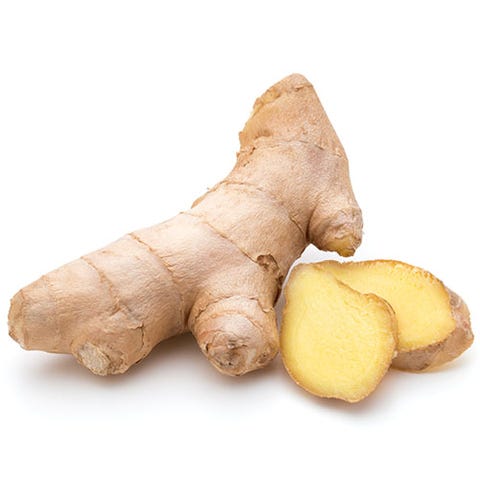
One of the oldest herbal medicines around, ginger’s anti-inflammatory properties work wonders on bloat and gas .Ginger contains a digestive enzyme called zingibain, which helps the body break down protein.”
“It also has a nice relaxing effect on your intestines, reducing inflammation in your colon, which helps the food you eat pass through your system more easily, and in turn, reduce the bloat and gas you experience.” Enjoy it in a warm cup of homemade tea to sip on it before, during, or after a meal.
2. Yogurt

Yogurt is packed with probiotics—good bacteria that populate your GI tract to support a healthy digestive process and calm inflammation. “Probiotics are an important piece in the big picture of gut health, especially when you’ve got bloating and gas” Go Greek to bump up the protein to 20 grams while lowering the carb count, and enjoy it as dessert with some fresh fruit like grapefruit slices or blueberries.
3. Lemons

Yep, the old lemon water trick actually works. Lemon juice is very similar in acidity to the stomach’s digestive juices, so it can help relieve bloating and other symptoms of indigestion. By drinking lemon juice on the reg, you’re doubling down on hydration plus getting acids to help your GI tract move things along faster.
4. Cucumber
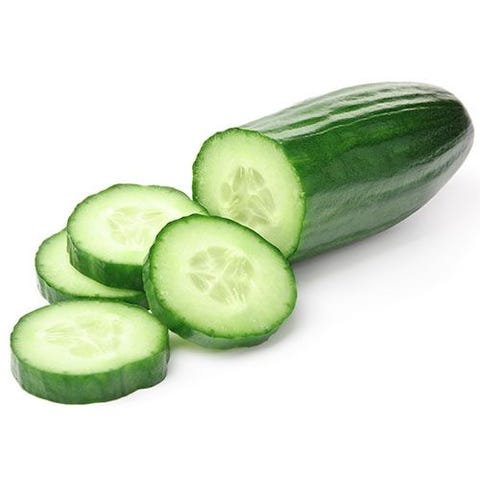 “Cucumber contains lots of water to help keep you hydrated,” which is great for helping to clear out excess water from your cells and gas from your GI tract. What’s more, cucumbers contain sulfur and silicon, which act as a mild natural diuretic that makes you pee. They’re also a good way to get your GI tract moving.

Potassium is the main reason this low-maintenance food helps with bloat. “Part of what causes your body to retain water is you’ve eaten too much sodium.” “Potassium-rich foods help flush out sodium and water.” Eating one banana won’t magically cure bloat, eating potassium-rich foods like bananas throughout the day will help reduce bloat.
6. Coconut Water

Bananas aren’t the only food high in water retention-fighting potassium; coconuts contain plenty of this electrolyte, too. “Your body holds onto water when there’s too much sodium.” “Potassium helps push out sodium.”
Avoid the bloating effects of sugar by picking a coconut water with as little sugar as possible.
9 REASONS WHY YOU FEEL BLOATED ALL THE TIME
Platinum Fitness Club Hyderabad D PRO Fitness
#bloated #9reasons #platinumfitnessclub #attapur #dprofitness #bestgym #gymnearme #hyderabad #gyminattapur #gyminhyderabad #platinum #fitness #coronavirus #virus #covid19 #gymissafe #safegym #reopen #lockdown #reopengyms #indiafightscorona
 Best Fitness Club In Hyderabad | Platinum Fitness Club