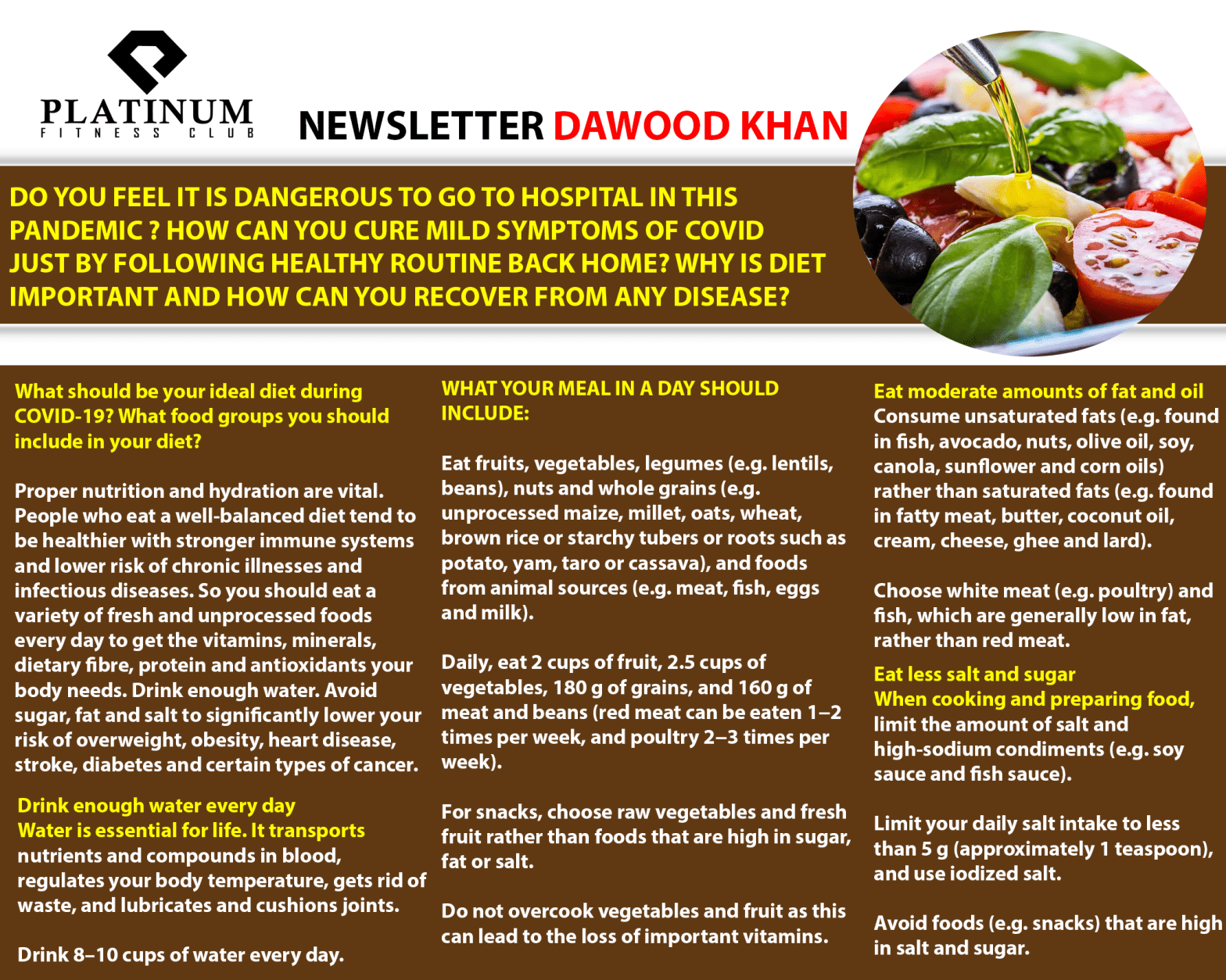

DO YOU FEEL IT IS DANGEROUS TO GO TO HOSPITAL IN THIS PANDEMIC ? HOW CAN YOU CURE MILD SYMPTOMS OF COVID JUST BY FOLLOWING HEALTHY ROUTINE BACK HOME? WHY IS DIET IMPORTANT AND HOW CAN YOU RECOVER FROM ANY DISEASE?
We live in an environment that is crowded with organisms that we are unable to see. We are under constant threat of attack by viruses, bacteria, and parasites. Humans have evolved to combat this potentially devastating threat with a highly flexible and potent immune system. The human body has a range of defence mechanisms to tackle these pathogens.
Our immune system plays an important role to fight these pathogens. In response to any foreign agent, the immune system produces antibodies to eliminate the antigen from the body. It also keeps the memory of the foreign agent to prevent the subsequent infection. The system needs fuel for its effective functioning.
Food is the fuel that boosts our immune system and its ability to protect against diseases. Good nutrition is important during and after an infection. During infection, the body needs extra energy and nutrients. Therefore, maintaining a healthy diet is very important during the COVID-19 pandemic.
Our diet is our weapon to prevent the infection. Here are some suggestions to make our immune system strong to fight the coronavirus.
What should be your ideal diet during COVID-19? What food groups you should include in your diet?
Proper nutrition and hydration are vital. People who eat a well-balanced diet tend to be healthier with stronger immune systems and lower risk of chronic illnesses and infectious diseases. So you should eat a variety of fresh and unprocessed foods every day to get the vitamins, minerals, dietary fibre, protein and antioxidants your body needs. Drink enough water. Avoid sugar, fat and salt to significantly lower your risk of overweight, obesity, heart disease, stroke, diabetes and certain types of cancer.
”A healthy and well-balanced diet plays an important role to strengthen the immune system.”
A balanced diet is a diet that provides an adequate amount and variety of food to meet a person’s energy and nutrient requirements for a healthy and active life. We must focus on the colors we have on our plates. The more the colors we have, the more diverse our diet will be. Diet must be composed of a variety of foods from different food groups. There are three major food groups:
Energy–rich foods: These foods are a source of carbohydrates that provides energy to the body. It includes cereals.
Complex carbohydrates such as high-fiber cereals, whole-grain breads and pastas, dried beans, and starchy vegetables are the best type of foods for prolonged energy because they are digested at a slow, consistent rate.
“Complex carbohydrates contain fiber, which takes a longer time to digest in the body as it is absorbed slowly.” Complex carbs also stabilize your body’s sugar level, which in turn causes the pancreas to produce less insulin. This gives you a feeling of satiety and you are less hungry.”
During infection, the energy needs of the body increase to compensate for the increased energy demands due to fever and shivering associated with the infection.
Bodybuilding foods: These foods provide protein, a crucial macronutrient, to the body. Pulses (all dals, beans, legumes), animal foods (eggs, meat, poultry, fish), milk, and milk products (paneer, curd, buttermilk, etc.). Requirements of proteins also increase during infection for the proliferation of immune cells and the synthesis of chemical compounds.
Protective foods: These foods are the sources vitamins and minerals, that play a significant role in immunity. Seasonal fruits and vegetables (dark green leafy, yellow and orange colored, citrus, and other fruits). Vitamin A, vitamin E, vitamin C, minerals such as zinc, copper, iron, selenium are known to influence the immune responses.
WHAT YOUR MEAL IN A DAY SHOULD INCLUDE:
Eat fruits, vegetables, legumes (e.g. lentils, beans), nuts and whole grains (e.g. unprocessed maize, millet, oats, wheat, brown rice or starchy tubers or roots such as potato, yam, taro or cassava), and foods from animal sources (e.g. meat, fish, eggs and milk).
Daily, eat 2 cups of fruit, 2.5 cups of vegetables, 180 g of grains, and 160 g of meat and beans (red meat can be eaten 1−2 times per week, and poultry 2−3 times per week).
For snacks, choose raw vegetables and fresh fruit rather than foods that are high in sugar, fat or salt.
Do not overcook vegetables and fruit as this can lead to the loss of important vitamins.
When using canned or dried vegetables and fruit, choose varieties without added salt or sugar.
Drink enough water every day
Water is essential for life. It transports nutrients and compounds in blood, regulates your body temperature, gets rid of waste, and lubricates and cushions joints.
Drink 8–10 cups of water every day.
Eat moderate amounts of fat and oil
Consume unsaturated fats (e.g. found in fish, avocado, nuts, olive oil, soy, canola, sunflower and corn oils) rather than saturated fats (e.g. found in fatty meat, butter, coconut oil, cream, cheese, ghee and lard).
Choose white meat (e.g. poultry) and fish, which are generally low in fat, rather than red meat.
Eat less salt and sugar
When cooking and preparing food, limit the amount of salt and high-sodium condiments (e.g. soy sauce and fish sauce).
Limit your daily salt intake to less than 5 g (approximately 1 teaspoon), and use iodized salt.
Avoid foods (e.g. snacks) that are high in salt and sugar.
Food hygiene and sanitation
At present, there is no evidence of transmission of the virus from food or food packaging. However, it may be possible that people can become infected by touching a surface or object contaminated with the virus and then touching their face. Sanitary practices both in households and food businesses need to be followed. Practising good personal hygiene is key to protect oneself and others. Hands must be washed with soap and water for at least 20 seconds before preparing or eating food. Food must be stored at a safe temperature. Food items such as fruits and vegetables must be washed thoroughly in lukewarm water. Animal meats, poultry, and fish must be washed properly and cooked to the right temperature before consumption.
Besides this, staying physically active, yoga, meditation, avoiding smoking, are some of the additional strategies for a healthy immune system. Thus, nutrition must be recognized as an indispensable part of health, food, education, and economic development, to fight the novel coronavirus.
 Best Fitness Club In Hyderabad | Platinum Fitness Club