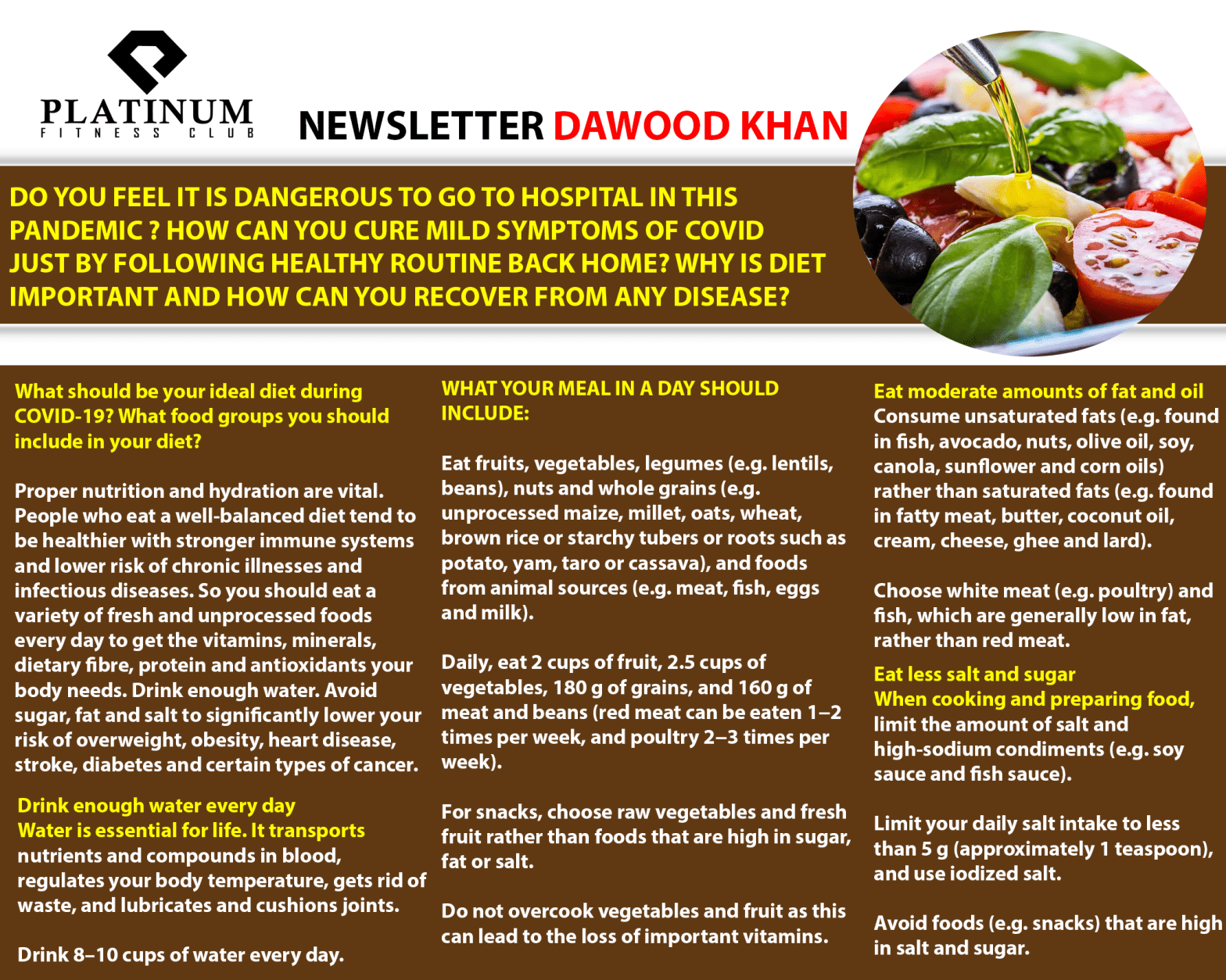
DO YOU FEEL IT IS DANGEROUS TO GO TO HOSPITAL IN THIS PANDEMIC? HOW CAN YOU CURE MILD SYMPTOMS OF COVID JUST BY FOLLOWING HEALTHY ROUTINE BACK HOME? WHY IS DIET IMPORTANT AND HOW CAN YOU RECOVER FROM ANY DISEASE?

DO YOU FEEL IT IS DANGEROUS TO GO TO HOSPITAL IN THIS PANDEMIC ? HOW CAN YOU CURE MILD SYMPTOMS OF COVID JUST BY FOLLOWING HEALTHY ROUTINE BACK HOME? WHY IS DIET IMPORTANT AND HOW CAN YOU RECOVER FROM ANY DISEASE? 

We live in an environment that is crowded with organisms that we are unable to see. We are under constant threat of attack by viruses, bacteria, and parasites. Humans have evolved to combat this potentially devastating threat with a highly flexible and potent immune system. The human body has a range of defence mechanisms to tackle these pathogens.

 Our immune system plays an important role to fight these pathogens. In response to any foreign agent, the immune system produces antibodies to eliminate the antigen from the body. It also keeps the memory of the foreign agent to prevent the subsequent infection. The system needs fuel for its effective functioning.

 Food is the fuel that boosts our immune system and its ability to protect against diseases. Good nutrition is important during and after an infection. During infection, the body needs extra energy and nutrients. Therefore, maintaining a healthy diet is very important during the COVID-19 pandemic. 

Our diet is our weapon to prevent the infection. Here are some suggestions to make our immune system strong to fight the coronavirus.

​What should be your ideal diet during COVID-19? What food groups you should include in your diet?

​Proper nutrition and hydration are vital. People who eat a well-balanced diet tend to be healthier with stronger immune systems and lower risk of chronic illnesses and infectious diseases. So you should eat a variety of fresh and unprocessed foods every day to get the vitamins, minerals, dietary fibre, protein and antioxidants your body needs. Drink enough water. Avoid sugar, fat and salt to significantly lower your risk of overweight, obesity, heart disease, stroke, diabetes and certain types of cancer.

​”A healthy and well-balanced diet plays an important role to strengthen the immune system.” 

A balanced diet is a diet that provides an adequate amount and variety of food to meet a person’s energy and nutrient requirements for a healthy and active life. We must focus on the colors we have on our plates. The more the colors we have, the more diverse our diet will be. Diet must be composed of a variety of foods from different food groups. There are three major food groups:

​ Energyrich foods: These foods are a source of carbohydrates that provides energy to the body. It includes cereals.

Complex carbohydrates such as high-fiber cereals, whole-grain breads and pastas, dried beans, and starchy vegetables are the best type of foods for prolonged energy because they are digested at a slow, consistent rate.

 “Complex carbohydrates contain fiber, which takes a longer time to digest in the body as it is absorbed slowly.” Complex carbs also stabilize your body’s sugar level, which in turn causes the pancreas to produce less insulin. This gives you a feeling of satiety and you are less hungry.”

 During infection, the energy needs of the body increase to compensate for the increased energy demands due to fever and shivering associated with the infection.

​ Bodybuilding foodsThese foods provide protein, a crucial macronutrient, to the body. Pulses (all dals, beans, legumes), animal foods (eggs, meat, poultry, fish), milk, and milk products (paneer, curd, buttermilk, etc.). Requirements of proteins also increase during infection for the proliferation of immune cells and the synthesis of chemical compounds.

​ Protective foodsThese foods are the sources vitamins and minerals, that play a significant role in immunity. Seasonal fruits and vegetables (dark green leafy, yellow and orange colored, citrus, and other fruits). Vitamin A, vitamin E, vitamin C, minerals such as zinc, copper, iron, selenium are known to influence the immune responses.

WHAT YOUR MEAL IN A DAY SHOULD INCLUDE: 

Eat fruits, vegetables, legumes (e.g. lentils, beans), nuts and whole grains (e.g. unprocessed maize, millet, oats, wheat, brown rice or starchy tubers or roots such as potato, yam, taro or cassava), and foods from animal sources (e.g. meat, fish, eggs and milk).

Daily, eat 2 cups of fruit, 2.5 cups of vegetables, 180 g of grains, and 160 g of meat and beans (red meat can be eaten 1−2 times per week, and poultry 2−3 times per week).

For snacks, choose raw vegetables and fresh fruit rather than foods that are high in sugar, fat or salt.

Do not overcook vegetables and fruit as this can lead to the loss of important vitamins.

When using canned or dried vegetables and fruit, choose varieties without added salt or sugar.

Drink enough water every day

Water is essential for life. It transports nutrients and compounds in blood, regulates your body temperature, gets rid of waste, and lubricates and cushions joints.

Drink 8–10 cups of water every day.

Eat moderate amounts of fat and oil

Consume unsaturated fats (e.g. found in fish, avocado, nuts, olive oil, soy, canola, sunflower and corn oils) rather than saturated fats (e.g. found in fatty meat, butter, coconut oil, cream, cheese, ghee and lard).

Choose white meat (e.g. poultry) and fish, which are generally low in fat, rather than red meat.

Eat less salt and sugar

When cooking and preparing food, limit the amount of salt and high-sodium condiments (e.g. soy sauce and fish sauce).

Limit your daily salt intake to less than 5 g (approximately 1 teaspoon), and use iodized salt.

Avoid foods (e.g. snacks) that are high in salt and sugar.

Food hygiene and sanitation

At present, there is no evidence of transmission of the virus from food or food packaging. However, it may be possible that people can become infected by touching a surface or object contaminated with the virus and then touching their face. Sanitary practices both in households and food businesses need to be followed. Practising good personal hygiene is key to protect oneself and others. Hands must be washed with soap and water for at least 20 seconds before preparing or eating food. Food must be stored at a safe temperature. Food items such as fruits and vegetables must be washed thoroughly in lukewarm water. Animal meats, poultry, and fish must be washed properly and cooked to the right temperature before consumption.

Besides this, staying physically active, yoga, meditation, avoiding smoking, are some of the additional strategies for a healthy immune system. Thus, nutrition must be recognized as an indispensable part of health, food, education, and economic development, to fight the novel coronavirus.


MUBARAK EID AL ADHA

Platinum Fitness Club Hyderabad D PRO Fitness

#BAKRID #PLATINUM #PLATINUMFITNESSCLUB #HYDERABAD #FITNESSCLUB #CLUB #ATTAPUR #EIDALADHA #MUBARAK #AUGUST #BESTGYM #GYMNEARME #ZUMBA #FITNESSDANACE #MODELING #DOCTORS #FACEBOOK #DPROFITNESS #BESTGMINATTAPUR #BESTGYMINHYDERABAD

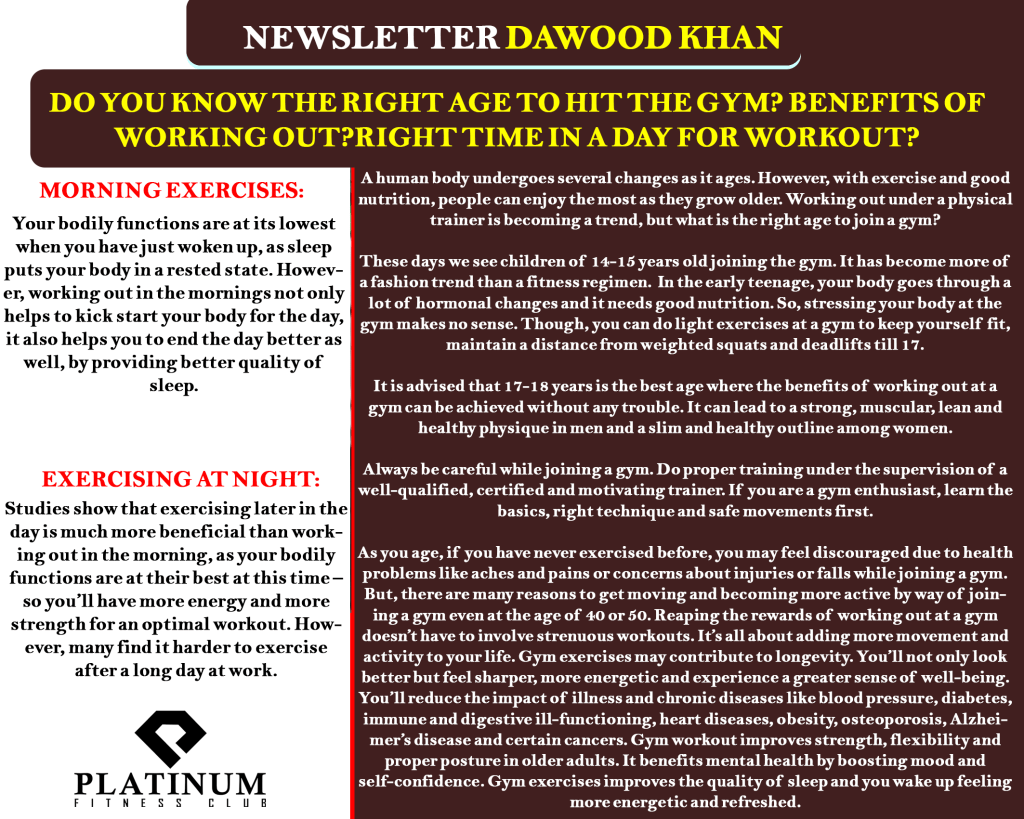
DO YOU KNOW THE RIGHT AGE TO HIT THE GYM? BENEFITS OF WORKING OUT?RIGHT TIME IN A DAY FOR WORKOUT?

WHAT IS THE RIGHT AGE TO HIT THE GYM? WHAT TIME IS CONSIDERED AS THE BEST TIME FOR WORKING OUT?

A human body undergoes several changes as it ages. However, with exercise and good nutrition, people can enjoy the most as they grow older. Working out under a physical trainer is becoming a trend, but what is the right age to join a gym?

From the time you are born until you reach teenage, your muscles continue to grow larger and stronger. At the age of 17-18, your body becomes mature enough to bear vigorous exercises at a gym. Although this single factor is not responsible to determine the appropriate age for joining the gym, 18 plus can be considered the right age to start building up muscles and working out at the gym.

These days we see children of 14-15 years old joining the gym. It has become more of a fashion trend than a fitness regimen.  In the early teenage, your body goes through a lot of hormonal changes and it needs good nutrition. So, stressing your body at the gym makes no sense. Though, you can do light exercises at a gym to keep yourself fit, maintain a distance from weighted squats and deadlifts till 17.

Exercise is the natural movement of limbs to perform from the very first month of your birth. It is very much essential for the development of stamina, power and flexibility. Crawling, walking, running, cycling and swimming all are sort of exercises where your muscles get exerted against resistance. Then, why shouldn’t you join a gym before 17 years of age? It is because many gym movements can cause injury and can lead to unwanted sprain and strains if done on high intensity and in the wrong way. Young children below 17 have less concentration, seriousness, stability, balance and involvement. All these factors can lead to an accident. Also, gym exercises can also affect their growth.

It is advised that 17-18 years is the best age where the benefits of working out at a gym can be achieved without any trouble. It can lead to a strong, muscular, lean and healthy physique in men and a slim and healthy outline among women.

Always be careful while joining a gym. Do proper training under the supervision of a well-qualified, certified and motivating trainer. If you are a gym enthusiast, learn the basics, right technique and safe movements first.

As you age, if you have never exercised before, you may feel discouraged due to health problems like aches and pains or concerns about injuries or falls while joining a gym. But, there are many reasons to get moving and becoming more active by way of joining a gym even at the age of 40 or 50. Reaping the rewards of working out at a gym doesn’t have to involve strenuous workouts. It’s all about adding more movement and activity to your life. Gym exercises may contribute to longevity. You’ll not only look better but feel sharper, more energetic and experience a greater sense of well-being. You’ll reduce the impact of illness and chronic diseases like blood pressure, diabetes, immune and digestive ill-functioning, heart diseases, obesity, osteoporosis, Alzheimer’s disease and certain cancers. Gym workout improves strength, flexibility and proper posture in older adults. It benefits mental health by boosting mood and self-confidence. Gym exercises improves the quality of sleep and you wake up feeling more energetic and refreshed.

Gym exercises may contribute to longevity. You’ll not only look better but feel sharper, more energetic and experience a greater sense of well-being. Gym workout improves strength, flexibility and proper posture in older adults. It benefits mental health by boosting the mood and self-confidence. Gym exercises improve quality of sleep and you wake up feeling more energetic and refreshed.

It’s never too late to join a gym. Gym benefits can be just as great at 40 or 50 as they were at 20 or 30.

However, remember, “excess of anything is bad”. Workout for an hour five days a week and eat a balanced diet to lead a healthy lifestyle. Enjoy working out at the gym at the right age, in the right way.

IF YOU’RE FIGURING OUT IF THERE’S AN OPTIMAL TIME TO WORKOUT DURING THE DAY, YOU’RE CERTAINLY NOT ALONE!

Morning workouts vs. evening workouts – which helps you get the most out of your exercise? Is a dawn run around the neighborhood helpful in jumpstarting your body to take on the day? Or is it better to exhaust yourself at the end of the day with an hour of cardio before calling it a day? Some would say there is no difference, as you would have your daily dose of physical activity anyway. We take a look at the differences between morning and evening workouts and what you stand to get out of each. 

 MORNING EXERCISES: 

Your bodily functions are at its lowest when you have just woken up, as sleep puts your body in a rested state. However, working out in the mornings not only helps to kick start your body for the day, it also helps you to end the day better as well, by providing better quality of sleep. 

ADVANTAGES  OF MORNING WORKOUTS

  • You’re more likely to be consistent with your daily morning workout. When you get started on exercise before clocking in to work or taking care of your children, you give yourself time to focus on your physical wellbeing. As they say, health is wealth.
  • Working out early in the morning can help to increase your energy level in the afternoon. The human body performs at its best in the mid-afternoon, and studies have shown that an exercise routine in the morning could help to elevate this further!
  • Working out before breakfast may help the body burn fat more effectively, compared to an evening workout. Besides that, working out in the morning also jumpstarts your metabolism, resulting in you burning calories throughout the day, rather than after an evening workout when you’re sleeping (when metabolism is lower). 

EXERCISING AT NIGHT

Studies show that exercising later in the day is much more beneficial than working out in the morning, as your bodily functions are at their best at this time – so you’ll have more energy and more strength for an optimal workout. However, many find it harder to exercise after a long day at work. 

ADVANTAGES OF WORKING OUT AT NIGHT

  • Your body temperature is highest in the evening. Muscles and joints are up to 20% more flexible this time compared to in the morning, which makes it easier and less of a strain to exercise. Chances of injuries during exercise is also lower than morning workouts.
  • You’ll likely have more energy to exercise in the second half of the day, compared to the first thing in the morning. Not only that, your metabolism and lung functions are also working best in the late afternoon/evening, so you would have more strength and endurance to last through your cardio workout session.
  • Exercising in the evening gives you an outlet of stress release from the day’s work. You’ll also have a clearer mind to work out as it would be your final task for the day before hitting the sack. 

However, both times of the day have their own benefits.

IS BOOSTING IMMUNITY AN OVERNIGHT PROCESS?WHAT ARE THE FACTORS THAT AFFECTS OUR IMMUNE SYSTEM?

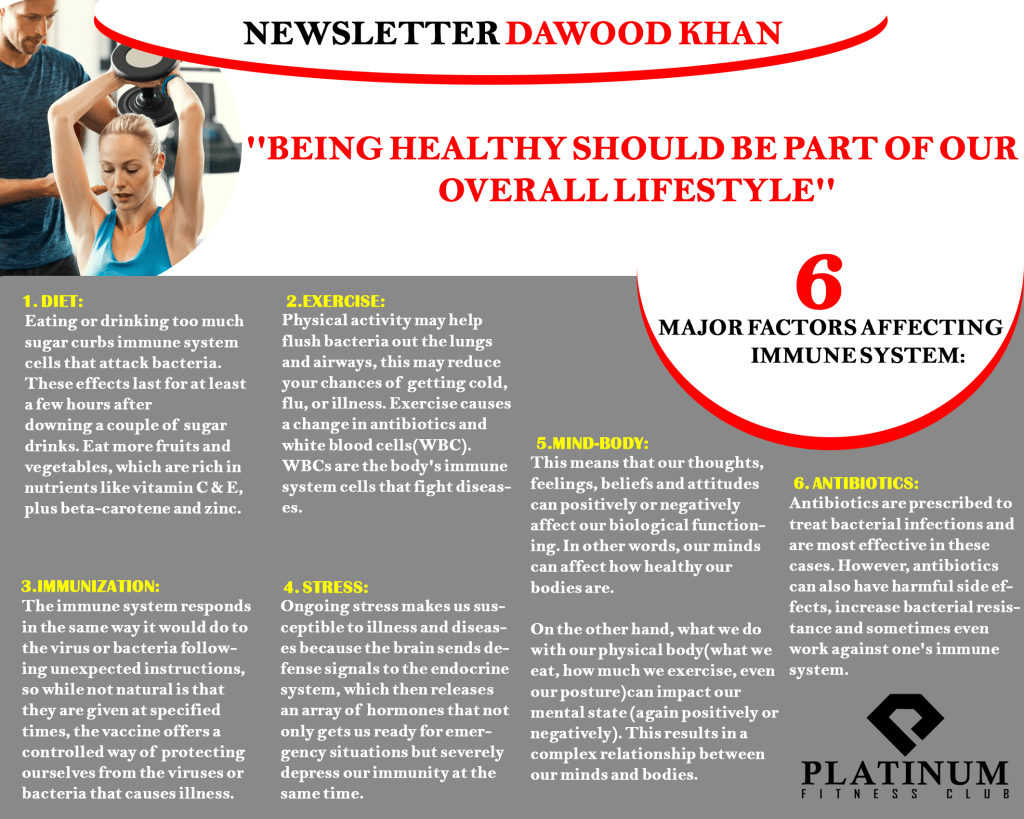
”BEING​ HEALTHY SHOULD BE PART OF OUR OVERALL LIFESTYLE”

​Why being healthy is so important

  • Living a healthy lifestyle can help prevent chronic diseases and long- term illness.
  • It is important for your self-esteem and self-image.

There are many questions regarding building of one’s immunity. Many common questions people often ask are: 

  • Can immunity be boosted instantaneously by eating selected food?
  • If one has inherited a weak immune system, can one still boost their immunity?

The answer to all questions is: Yes, Boosting one’s immunity is possible but it is not overnight process.

​Before building immunity or boosting up one’s immunity, we need to know about the factors that affect our immune system.​

6 MAJOR FACTORS AFFECTING IMMUNE SYSTEM:

​1. DIET:

download-(1)-28.jpg 

​Eating or drinking too much sugar curbs immune system cells that attack bacteria. These effects last for at least a few hours after downing a couple of sugar drinks. Eat more fruits and vegetables, which are rich in nutrients like vitamin C & E, plus beta-carotene and zinc.

2.EXERCISE:

Winter Exercise Survival Guide | Cooking Light

Physical activity may help flush bacteria out the lungs and airways, this may reduce your chances of getting cold, flu, or illness. Exercise causes a change in antibiotics and white blood cells(WBC). WBCs are the body’s immune system cells that fight diseases.

3.IMMUNIZATION:

Grade 7 Immunization at Notre Dame - Notre Dame High School

The immune system responds in the same way it would do to the virus or bacteria following unexpected instructions, so while not natural is that they are given at specified times, the vaccine offers a controlled way of protecting ourselves from the viruses or bacteria that causes illness.

4. STRESS:

The Impact of Stress on Innovation - IdeaScale

Ongoing stress makes us susceptible to illness and diseases because the brain sends defense signals to the endocrine system, which then releases an array of hormones that not only gets us ready for emergency situations but severely depress our immunity at the same time.  

5.MIND-BODY:

The Body and Mind Connection: The Latest Evidence

This means that our thoughts, feelings, beliefs and attitudes can positively or negatively affect our biological functioning. In other words, our minds can affect how healthy our bodies are.

On the other hand, what we do with our physical body(what we eat, how much we exercise, even our posture)can impact our mental state (again positively or negatively). This results in a complex relationship between our minds and bodies.

6. ANTIBIOTICS:

Can the effectiveness of antibiotics be changed? | SciTech Europa

Antibiotics are prescribed to treat bacterial infections and are most effective in these cases. However, antibiotics can also have harmful side effects, increase bacterial resistance and sometimes even work against one’s immune system.

HOW LONG DOES IT TAKE TO BOOST IMMUNITY :

For a healthy person, it may take up to 15 days to further boost immunity, but for one who is just starting, it may take months. As everyone wants to be fit today, but they fail to follow a healthy lifestyle. “Everybody is different and may respond to a good lifestyle in different ways. Some may take longer to develop immunity and others may not. There is no shortcut to health, and immunity is not built in a day. It is a gradual, sustainable process. Both youngsters and the elderly today are sleep-deprived and sleep is very important for boosting immunity. It is important to stay away from refined flour and all packaged products as well if one wants to have a strong immune system. These can ruin your immunity even though you might be following a healthy regime. Exercising in any form also helps.  Activities like walking, dancing or skipping are enough too. Most importantly, one must never stress or panic as it messes up with your body,” she says, adding, “Health is being mentally, physically and socially fit.”

15 SUPERFOODS THAT SHOULD BE A PART OF ONE’S DIET IN THESE DAYS OF PANDEMIC:

​The high vitamin and mineral content found in superfoods can help your body ward off diseases and keep you healthier. When incorporated into a well-balanced diet, these foods can promote heart health, weight loss, improve energy levels and even reduce the effects of aging.

  1. ​TURMERIC
  2. GREEN LEAFY VEGETABLES 
  3. ALMONDS
  4. GINGER
  5. PEPPER POWDER 
  6. INDIAN GOOSEBERRY
  7. FISH
  8. WHOLE GRAINS
  9. QUINOA 
  10. BULGUR WHEAT
  11. LEGUMES
  12. YOGURT
  13. GARLIC
  14. BROCCOLI
  15. BELL PEPPER

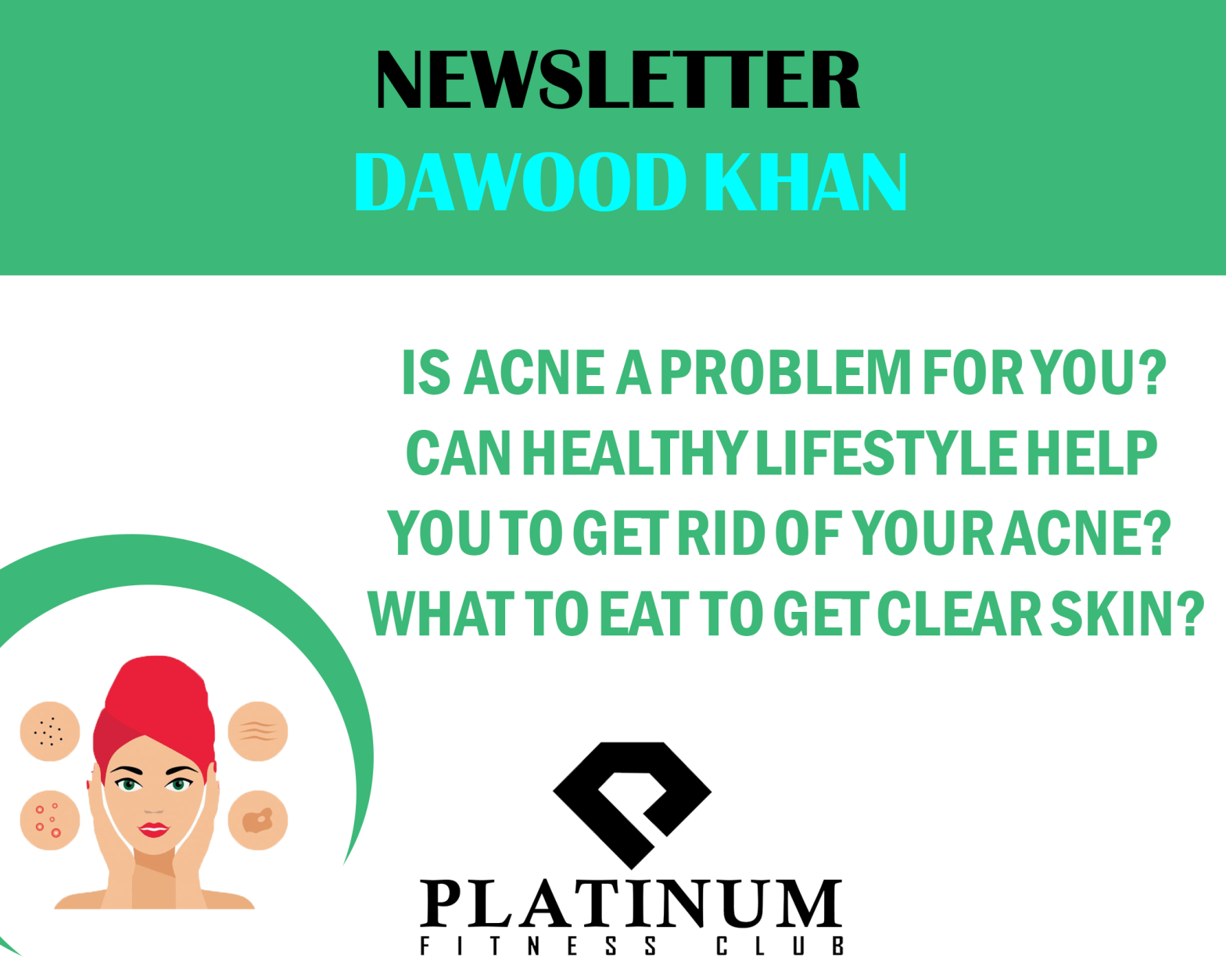
CAN HEALTHY LIFESTYLE HELP YOU TO GET RID OF YOUR ACNE​? WHAT TO EAT TO GET CLEAR SKIN?

CAN HEALTHY LIFESTYLE HELP YOU TO GET RID OF YOUR ACNE​? WHAT TO EAT TO GET CLEAR SKIN?

Acne is a skin problem that can cause several types of bumps to form on the surface of the skin. These bumps can form anywhere on the body but are most common on the:

  • face
  • neck
  • back
  • shoulders

Acne is often triggered by hormonal changes in the body, so it’s most common in older children and teenagers going through puberty.

Acne will slowly go away without treatment, but sometimes when some start to go away, more appears. Serious cases of acne are rarely harmful, but can cause emotional distress and can scar the skin.

Depending on its severity, you may choose no treatment, over-the-counter treatment, or prescription acne medications to deal with your acne.

There are three main types of acne:

  • A whitehead is a pore that gets clogged and closes but sticks out of the skin. These appear as hard, whitish bumps.
  • A blackhead is a pore that gets clogged but stays open. These appear as tiny dark spots on the skin’s surface.
  • A pimple is a pore whose walls open, allowing oil, bacteria, and dead skin cells to get under the skin. These appear as red bumps that sometimes have a pus-filled white top (the body’s reaction to the bacteria).

How does diet affect the skin?

One thing that can affect your skin is diet. Certain foods raise your blood sugar more quickly than others.

When your blood sugar rises quickly, it causes the body to release a hormone called insulin. Having excess insulin in your blood can cause your oil glands to produce more oil, increasing your risks of acne.

Some foods that trigger spikes in insulin  include:

  • pasta
  • white rice
  • white bread
  • sugar

Because of their insulin-producing effects, these foods are considered “high-glycemic” carbohydrates. That means they’re made of simple sugars.

Chocolate is also believed to worsen acne, but it doesn’t seem to affect all people.

What foods are believed to help your skin?

Eating low-glycemic foods made of complex carbohydrates may reduce your risk of developing acne. Complex carbohydrate is found in the following foods:

  • whole grains
  • legumes
  • unprocessed fruits and vegetables

Foods containing the following ingredients are also thought to be beneficial for the skin because they reduce inflammation:

  • the mineral zinc 
  • vitamin A and E
  • chemicals called antioxidants

Some skin-friendly food choices include:

  • yellow and orange fruits and vegetables such as carrots, apricots, and sweet potatoes
  • spinach and other dark green and leafy vegetables
  • tomatoes
  • blueberries
  • whole-wheat bread
  • brown rice
  • quinoa
  • turkey
  • pumpkin seeds
  • beans, peas, and lentils
  • salmon, mackerel, and other kinds of fatty fish
  • nuts

Everyone’s body is different, and some people find that they get more acne when they eat certain foods. Under your doctor’s supervision, it can be helpful to experiment with your diet to see what works best for you.

Always take into account any food allergies or sensitivities you may have when planning your diet.

Low-glycemic diets

Several recent studies suggest that following a low-glycemic diet, or one that is low in simple sugars, can prevent and improve acne. 

Researchers found that following a low-glycemic, high-protein diet for 12 weeks improved acne in men, and also led to weight loss.

Zinc

 Zinc may be useful in preventing and treating acne. Foods that are rich in zinc include:

  • pumpkin seeds
  • cashews
  • beef
  • turkey
  • quinoa
  • lentils
  • seafood such as oysters and crab

Zinc is a dietary mineral important in skin development as well as regulating metabolism and hormone levels.

It is found that low levels of zinc were linked to more severe cases of acne. They suggest increasing the amount of zinc in the diet to 40 mg of zinc per day to treat people with severe cases of acne. Studies suggest that the same amount of zinc even for people without acne.

Vitamins A and E

Low levels of vitamins A and E also seem to be linked to severe cases of acne.

It is suggested that people with acne may be able to lessen the severity of their acne by increasing their intake of foods containing these vitamins. Talk to your doctor before taking vitamin A supplements. Vitamin A toxicity can cause permanent damage to your major organs. Don’t opt for supplements instead have foods rich in vitamins A and E.

Antioxidants and omega-3 fatty acids

Omega-3 is a type of fat found in certain plants and animal-protein sources, such as fish and eggs. Antioxidants are chemicals that neutralize damaging toxins in the body. Together, omega-3s and antioxidants are thought to reduce inflammation.

It is found that people who took a daily omega-3 and antioxidant supplement were able to both reduce their acne and improve their mental health.

Since acne often causes emotional distress, omega-3 and antioxidant consumption may be very beneficial for people with the condition.

The bottom line

Some studies suggest certain foods can help get rid of acne and improve skin health, but there is no definitive food “cure.” Before modifying your diet, it’s important to talk to your doctor to make sure any changes you make won’t harm your health.

The best diet advice in dealing with acne appears to be eating a wholesome, balanced diet rich in fresh fruits and vegetables, healthy protein sources, and whole grains.

A healthy and balanced diet can help you to stay away from all the skin issues. 

Stay Hydrated, Stay Safe

CAN HEALTHY LIFESTYLE HELP YOU TO GET RID OF YOUR ACNE​? WHAT TO EAT TO GET CLEAR SKIN?
#PLATINUMFITNESSCLUB #FITNESS #DPROFITNESS #FITNESSCLUB #HYDERABAD #ATTAPUR #ACNE #PROBLEM #CORONAVIRUS #LOCKDOWN #DIET #PLATINUM #GOOGLE #TWITTER #BESTGYM

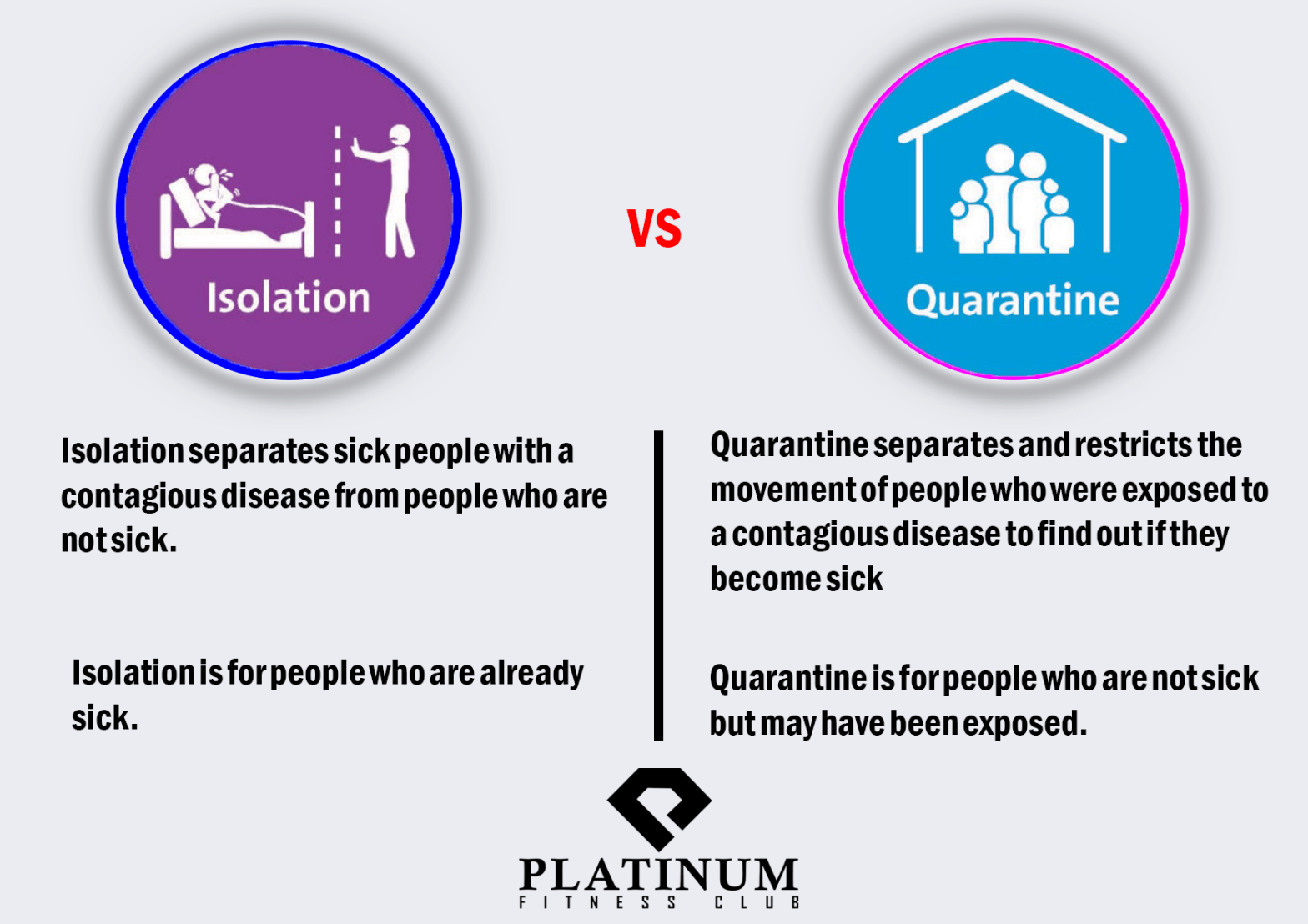
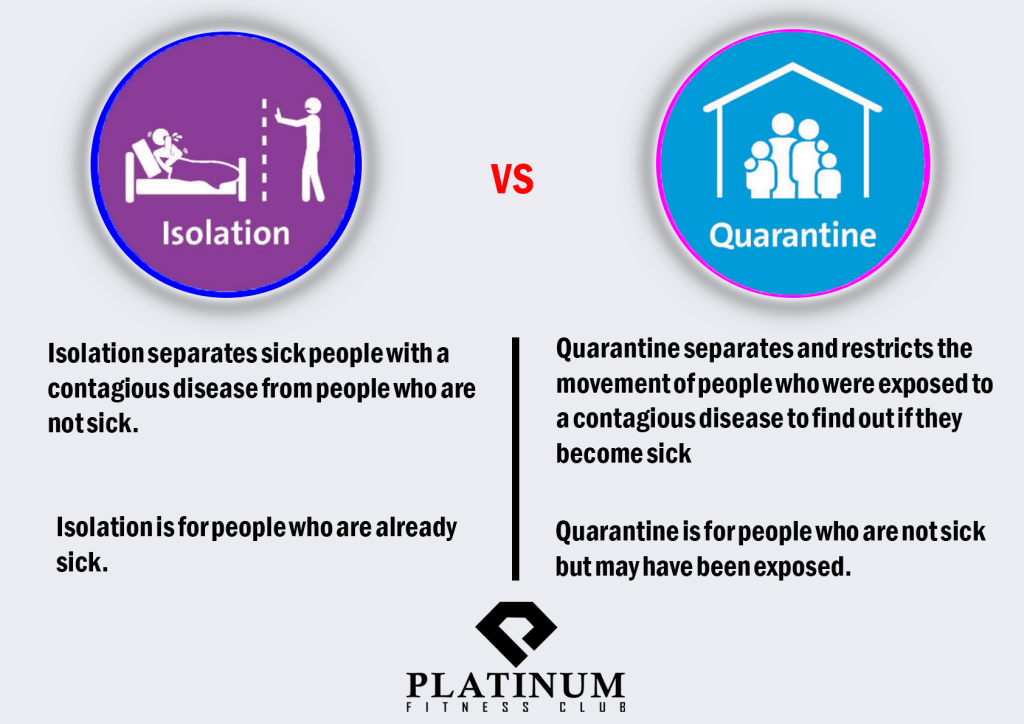
ISOLATION VS QUARANTINE

Platinum Fitness Club Hyderabad DPRO FITNESS D PRO Fitness

#PLATINUMFITNESSCLUB #ATTAPUR #HYDERABAD #DPROFITNESS #DAWOODKHAN #ZUMBA #FITNESS #BESTGYM #GYMNEARME #LOCKDOWN #ISOLATION #QUARANTINE #GYM #FITNESSCLUB #PLATINUM #VS #ISOLATIONVSQUARATINE #GYMINATTAPUR #GYMINHYDERABAD #FACEBOOK #INSTAGRAM #TWITTER #SOCIALMEDIA #SOCIALDISTANCING

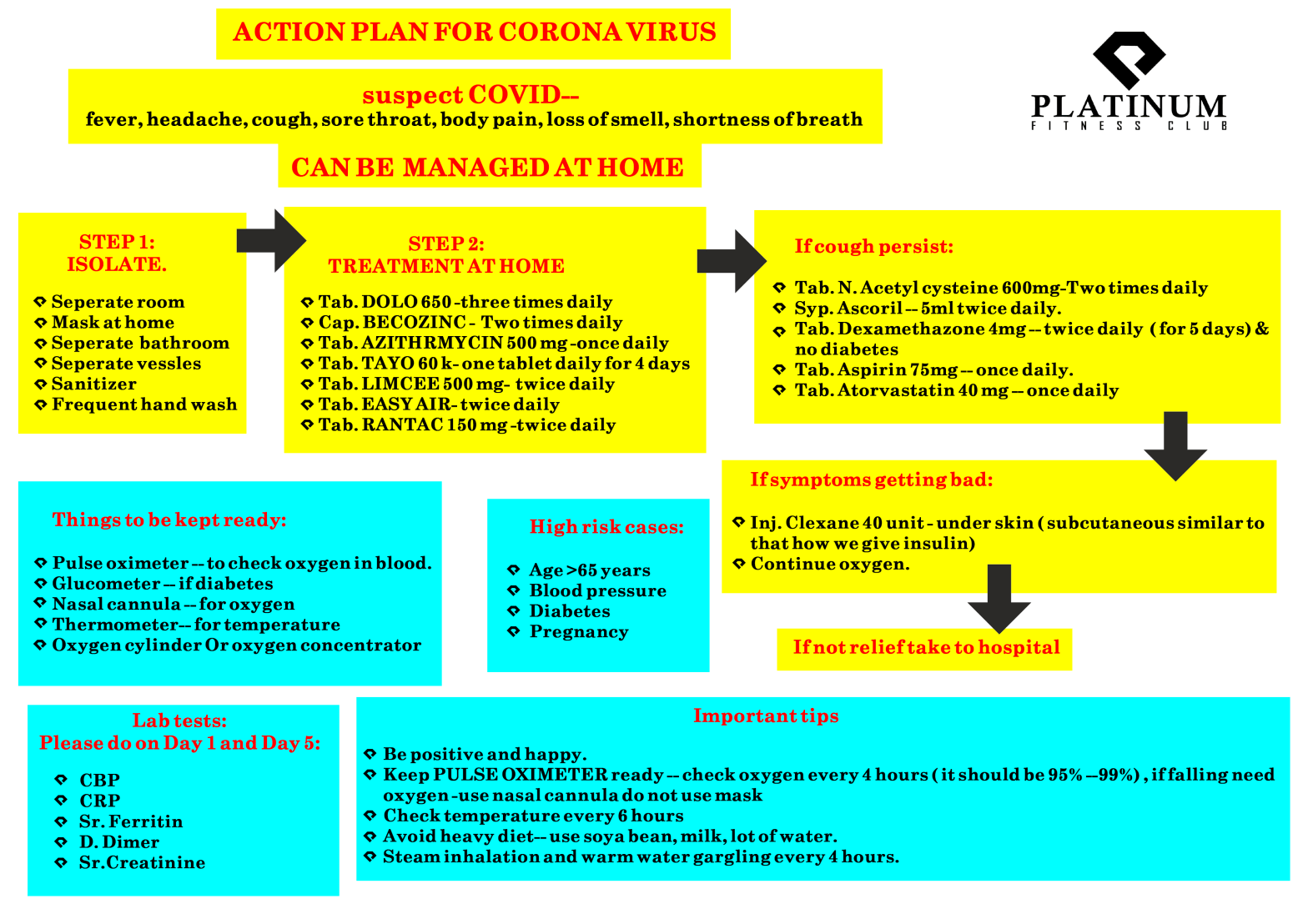
ACTION PLAN FOR CORONA VIRUS SUSPECT COVID-19

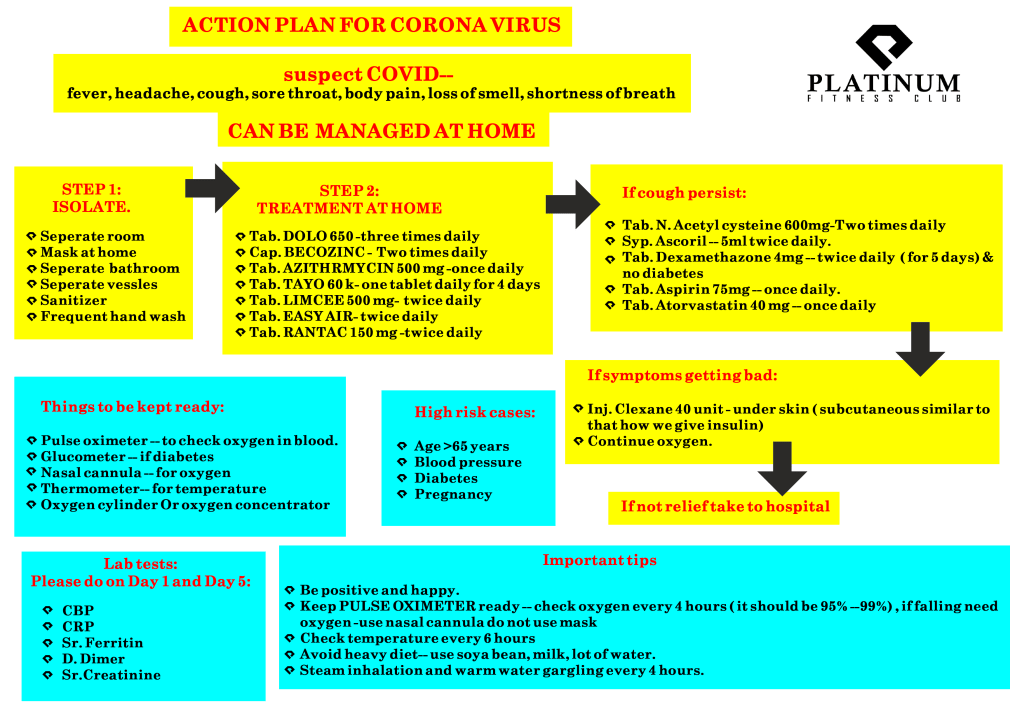
ACTION PLAN FOR CORONA VIRUSSUSPECT COVID-19
Platinum Fitness Club Hyderabad D PRO Fitness
#PLATINUMFITNESSCLUB #DPROFITNESS #CORONAVIRUS #ACTIONPLANFORCORONAVIRUS #ACTION #SUSPECT #COVID19 #LOCKDOWN #HYDERABAD #ATTAPUR #GYMINATTAPUR #BESTGYM #GYMINHYDERABAD #FITNESS #ZUMBA #GROUPCLASSES #TWITTER #FACEBOOK #INSTAGRAM #GYMNEARME

How Often Should You Work Out? The Perfect Weekly Workout Routine

How Often Should You Work Out? The Perfect Weekly Workout Routine

​There’s no magic number of times you should hit the gym every week. How often you go depends on your body, your fitness goals, and your schedule. 

The right number of sessions per week differs from individual to individual and largely depends on many factors relating to your body and your training. For instance,beginners will,of course train less often than regular fitness freaks. Another factor concerns the type of workouts you do. Workouts mainly consisting of cardiovascular training to improve your endurance like cycling, swimming, walking, jogging, indoor rowing and indoor cross-training have to be seen differently than strength training with your own body weight or free weights for the purpose of building muscle.  All these factors are important and have to be considered before giving any reasonable training suggestions.

How often should you work out each week?

How many times have you joined a gym or committed to an exercise plan to lose weight, only to back out after a few weeks because you have no idea how often you should work out?

If your answer is “too many to count,” you’re not alone. Knowing how many days you should exercise can be confusing. This is especially so if the amount of time you’re putting in doesn’t match up with your goals.

So, whether your goal is to sweat it out on the treadmill more often to lose a few pounds or to increase the amount of weight you’re lifting in order to gain muscle, the following tips can help you hit your target sooner and with greater success.

What should each day of working out look like?

​If you want to work out five days per week and are working on both strength and cardiovascular fitness, try three days of strength training , two days of cardio, and two days of active rest. If you only want to work out four days a week, think about your goals: If you want to add muscle, cut a cardio day. If you want to improve endurance(toleration), skip a strength day. Or, switch it each week.

​Remember, it’s important to be realistic about your own schedule when you’re asking yourself, “how many times a week should I work out?” If four days makes more sense for you than five days, do that. But if five days is reasonable, great!

​Either way, here’s how (and when, and why) to crush it at each one.

​Strength Training: 2–3 Times per Week

Why: “The more muscle you have the higher your metabolic rate. It also strengthens joints and bones.”

How: To build muscle mass, you should try to work each muscle group two to three times a week. So in a two- to three-day strength plan, this means you should aim to do full-body workouts—you’ll want to hit the major muscle groups of your upper and lower body, including your glutes, quads, hamstrings, chest, shoulders, back, arms, and core. That might sound like a lot, but that’s where compound exercises come in. Moves like squats, lunges, and bicep curls-to-overhead presses work more than one muscle group at a time, so you get more bang for your buck. Compound exercises also work your core, so while you can throw in some abs work at the end of a sweat session, you’ll also be working your core with every squat (which also works your glutes, hammies, and quads).

​You also want to have a balance between pushing and pulling movements. So, for example, a pushing movement would be a chest press, and a pulling movement would be a row. You should do different moves in each of the three strength sessions, but repeat those same moves every week.

How Long: A strength-training session should last 45 to 60 minutes and at least a quick warm-up  beforehand.

Cardio: 2–3 Times per Week

Why: As important as it is to strength train, cardio has its place in a balanced workout routine too. “Doing cardio keeps your circulatory system working optimally helping you to recover faster.

How: You’ve got a ton of options: an outdoor jog, the good old elliptical machine, the list goes on. “Whether something is cardiovascular depends on where your heart rate is at and how long you’re doing it for.” Target heart rates are different for everyone, but  a good baseline to aim for during your cardio routines is between 120 and 150 beats per minute for 45 to 60 minutes. Often incorporated in strength training, they have their place in a cardio workout too—the key is trying to do more reps within a certain time span to keep that heart rate elevated. 

How Long: A cardio session lasts 150 minutes of moderate -to-intense activity per week

Rest Days: 2 Times per Week

Why: Taking a break lets your body recover and rebuild so you can get back to your workouts refreshed and ready to rock it. A rest day should actually be considered active recovery, meaning you don’t have to hit the gym or break a serious sweat, but you should do something. “It’s not just about the physical recovery—it’s also the mental.”  “Doing something that you enjoy that’s active is great for the mind  and it assists in residual fatigue.” Plus, it keeps up your conditioning.

How: Whether you do some stretching or just take a walk, active recovery shouldn’t require a ton of effort like a workout day, but it should get you moving. You can also try a restorative class, like gentle yoga or a relaxed mat Pilates class.

How Long: Aim for 30–60 minutes.

”Of course, your perfect gym week may vary slightly based on your goals and your schedule, but it’s all about having good fitness habits.”

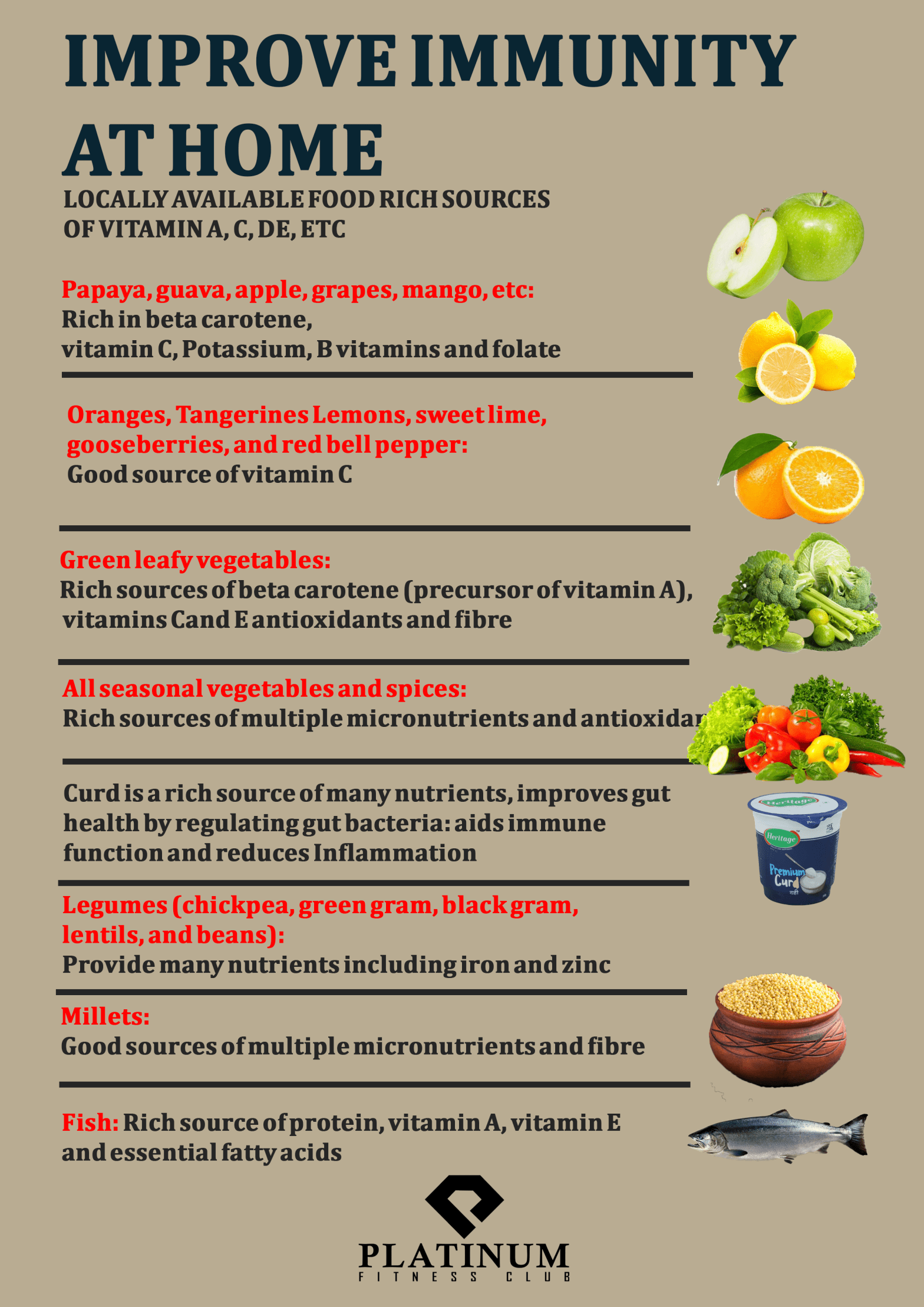
IMPROVE IMMUNITY AT HOME

IMPROVE IMMUNITY AT HOME
Platinum Fitness Club Hyderabad D PRO Fitness
#PLATINUM #PLATINUMFITNESSCLUB #DPROFITNESS #IMPROVEIMMUNITYATHOME #IMMUNITY #FITNESS #ATHOME #HOME #ATTAPUR #BESTGYM #GYMINATTAPUR #GYMINHYDERABAD #HYDERABAD #TRS #KTR #FACEBOOK #INSTAGRAM #MODELING #GYMISSAFE #SAFEGYM #GYMNEARME #GYMSNEARME #RATNADEEP #CORONAVIRUS #LOCKDOWN #JULY #POST #HEALTH #FITNESSCLUB

9 REASONS WHY YOU FEEL BLOATED ALL THE TIME

9 REASONS WHY YOU FEEL BLOATED ALL THE TIME

Being bloated is no fun, and we’ve all been there. Whether it was an ice cream sundae bar or Chinese buffet, there’s been a time that we just ate too much and had to loosen the belt a few notches just to get some extra relief. However, bloating can happen for a number of reasons—some not related to food.

What is bloating?

Bloating may feel different person-to-person, but it’s typically described as feeling full or larger to an uncomfortable degree. Generalized bloating can be throughout the body where the body is holding on to a bit more water than normal, but there is also localized bloating that can happen where organs have become swollen and are causing discomfort.

“When someone feels bloated, it can be tricky because bloating is an umbrella term that can be used to describe the general feeling of tightness throughout.” “Bloating and swelling can cause problems and be the cause of an array of other problems, so it’s best to know what kind of bloating we are dealing with.”

The bloating can be swelling, gaseous pressure or water weight, and the causes of bloating can be serious, or—more times than not—trivial.

1. Overeating

When you think of bloating, Thanksgiving dinner is probably one of the first things that comes to mind. Overeating is probably the most common cause of bloating, and there are tips to help you manage your portion sizes.

“Choosing a smaller plate can help you eat less in a sitting.” “Also, slowing down when you eat gives your body an easier time digesting the food, and it can tell your body that you’re full.”

2.Having a food intolerance

Typically, if someone is feels bloated, it is because of their food or water intake, but even if you haven’t eaten too much, you may have eaten the wrong thing. Certain food  intolerances or sensitives to spicy or acidic foods can cause the gastrointestinal (GI) tract to have a more difficult time than usual.

“An undiagnosed intolerance to foods can cause a lot of bloating.”  “The body is trying to break down the foods for the body to use, and a lot of gas can be the result of that work.”

3.Enjoying a high-starch or high-sodium diet

Diets high in sodium can cause water retention, and foods high in starch can increase the amount of gaseous bloating.

“Everyone is a little bit different, and what causes bloating in one person won’t always affect another person, “It’s really just about learning what foods cause you discomfort and limiting them in your diet. Foods heavy in starches—such as beans, legumes and bread—can help you feel fuller longer, but they can also cause someone to feel bloated.”

Certain over-the-counter medications, such as antacids, can be used to treat bloating caused by foods. These drugs work by enabling gas build up to pass more easily through the body and reduce the amount of bloating. Not all over-the-counter medications work the same, so talk to your health care provider or pharmacist about your symptoms so you can choose the right type of medication.

4.Consuming packaged foods

Packaged foods are a convenient snack, and you can easily fall into the habit of building your meal plan around them. However, packaged meals—which are notoriously high in sodium—tend to also be high in a chemical called monosodium glutamate (MSG), which can cause you to feel like you just ate an entire day’s worth in a single sitting.

“MSG has been known to cause bloating in some people, and it’s a common ingredient used to preserve freshness.” “It’s common to see MSG in buffets, Chinese food and packaged meals.”

5.Eating too late

An old myth states that eating too close to bedtime can cause weight gain, but that’s not necessarily true. Eating more calories than you burn causes weight gain. Still, having a heavy meal before bed can cause you to feel as if you’ve gained a lot of weight overnight.

When you sleep, your digestive system isn’t working as hard as when you’re awake, and being in a reclined position can cause some discomfort during the night and in the morning—when you’re supposed to feel at your leanest.

6.Drinking too much soda

Carbonated beverages, such as soda or sparkling water, are a common reason for bloating. The fizz in your favorite sodas (even diet ones) can cause gas to get trapped in your stomach, which can lead to bloating and belching.

Try limiting the amount of soda you drink and switch to a healthier alternative. Water with cucumber or lemon can offer a flavorful drink with your meal, and black tea can provide the caffeine kick you may need in the early afternoon. If you’re already feeling bloated, peppermint tea is a common remedy that can be used to help reduce the discomfort.

7.Swallowing too much air

Most people think of taking in air when they inhale, but it can also be done a number of other ways. Common daily habits—such as drinking from a straw, chewing gum and eating too quickly—are ways to add air into your digestive tract instead of your respiratory system.

“When you swallow too much air you can start to feel bloated,” “If it’s becoming a problem, start cutting out gum and straws and see if that helps eases your symptoms.”

8.Having an undiagnosed condition

There are a few conditions that can cause bloating. Heart and liver disease and venous insufficiency can cause excess fluid in the abdomen or limbs. 

Other gastrointestinal conditions can also cause bloating and stomach ailments. Conditions such as ulcerative colitis, Crohn’s disease  and irritable bowel syndrome can all cause bloating. Acid reflux, and the medications to treat it, can cause bloating and a feeling of increased gas in the abdomen, leading to belching.

9.Taking certain medications

In addition to the drugs for acid reflux, other medications can also cause bloating. Medications like stool softeners can leave someone feeling bloated with gas, and birth control hormones—whether in pill, patch or implant form—can leave women feeling swollen and heavy.

Other medications, such as aspirin, antacids, diarrhea medications, narcotic pain medicines and fiber or iron supplements can also cause bloating and other gastrointestinal symptoms. “If you think your medication is causing bloating, call your health care provider to find out if you may need to change your regimen, but don’t ever stop taking prescribed medications without checking with your provider.”

6 FOODS TO HELP REDUCE BLOATING 

1. Ginger

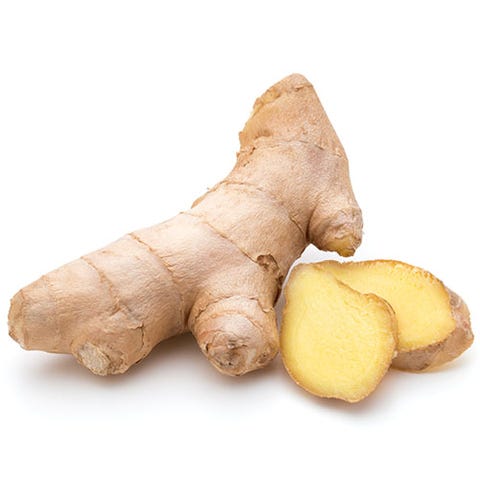
ginger root fresh, sliced

One of the oldest herbal medicines around, ginger’s anti-inflammatory properties work wonders on bloat and gas .Ginger contains a digestive enzyme called zingibain, which helps the body break down protein.”

“It also has a nice relaxing effect on your intestines, reducing inflammation in your colon, which helps the food you eat pass through your system more easily, and in turn, reduce the bloat and gas you experience.”  Enjoy it in a warm cup of homemade tea to sip on it before, during, or after a meal.

2. Yogurt

yogurt in glass jar with spoon

Yogurt is packed with probiotics—good bacteria that populate your GI tract to support a healthy digestive process and calm inflammation. “Probiotics are an important piece in the big picture of gut health, especially when you’ve got bloating and gas”  Go Greek to bump up the protein to 20 grams while lowering the carb count, and enjoy it as dessert with some fresh fruit like grapefruit slices or blueberries.

3. Lemons

image

Yep, the old lemon water trick actually works. Lemon juice is very similar in acidity to the stomach’s digestive juices, so it can help relieve bloating and other symptoms of indigestion. By drinking lemon juice on the reg, you’re doubling down on hydration plus getting acids to help your GI tract move things along faster.

4. Cucumber

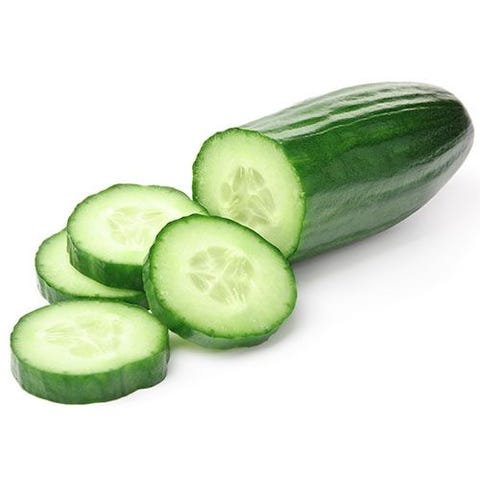
image“Cucumber contains lots of water to help keep you hydrated,”  which is great for helping to clear out excess water from your cells and gas from your GI tract. What’s more, cucumbers contain sulfur and silicon, which act as a mild natural diuretic that makes you pee. They’re also a good way to get your GI tract moving.

image

Potassium is the main reason this low-maintenance food helps with bloat. “Part of what causes your body to retain water is you’ve eaten too much sodium.” “Potassium-rich foods help flush out sodium and water.”  Eating one banana won’t magically cure bloat, eating potassium-rich foods like bananas throughout the day will help reduce bloat.

6. Coconut Water

Half a coconut

Bananas aren’t the only food high in water retention-fighting potassium; coconuts contain plenty of this electrolyte, too. “Your body holds onto water when there’s too much sodium.”  “Potassium helps push out sodium.”

Avoid the bloating effects of sugar by picking a coconut water with as little sugar as possible.

9 REASONS WHY YOU FEEL BLOATED ALL THE TIME
Platinum Fitness Club Hyderabad D PRO Fitness
#bloated #9reasons #platinumfitnessclub #attapur #dprofitness #bestgym #gymnearme #hyderabad #gyminattapur #gyminhyderabad #platinum #fitness #coronavirus #virus #covid19 #gymissafe #safegym #reopen #lockdown #reopengyms #indiafightscorona

Design a site like this with WordPress.com
Get started