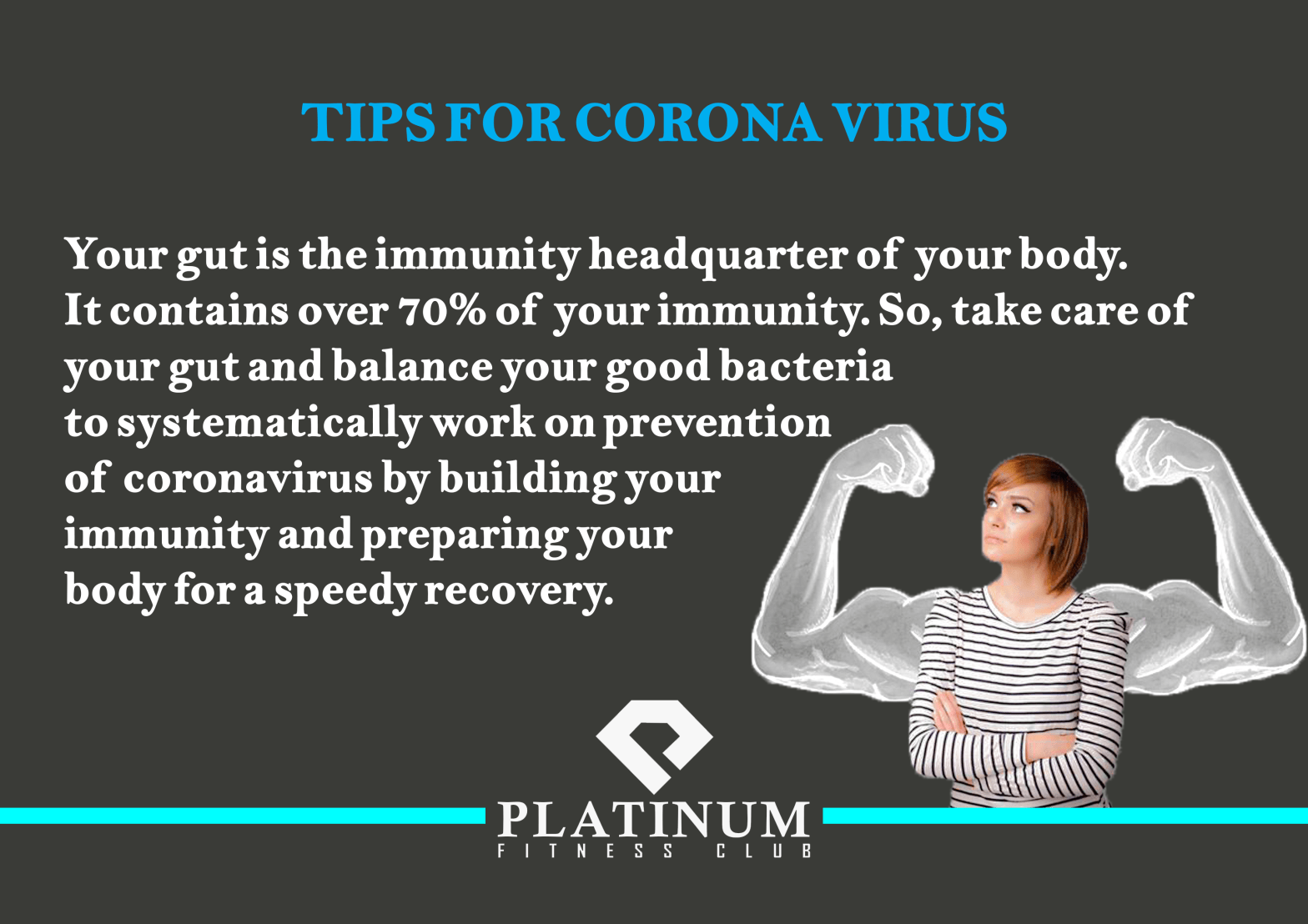

TIPS FOR CORONA VIRUS
Platinum Fitness Club Hyderabad D PRO Fitness Dawood Khan
#PLATINUMFITNESSCLUB #FITNESS #CLUB #TIPS #FOR #CORONAVIRUS #TIPSFORCORONAVIRUS #HYDERABAD #ATTAPUR #BESTGYM #GYMINATTAPUR #GYMINHYDERABAD #GYMSINHYDERABAD #PLATINUM #FITNESSCLUB #PREBIOTICS #PROBIOTICS #IMMUNITY #BOOSTYOURIMMUNITY #IMMUNITYSYSTEM #DAWOODKHAN #GUTS #GUTSDIET #GOOGLE #FACEBOOK #TWITTER #WHATSAPP
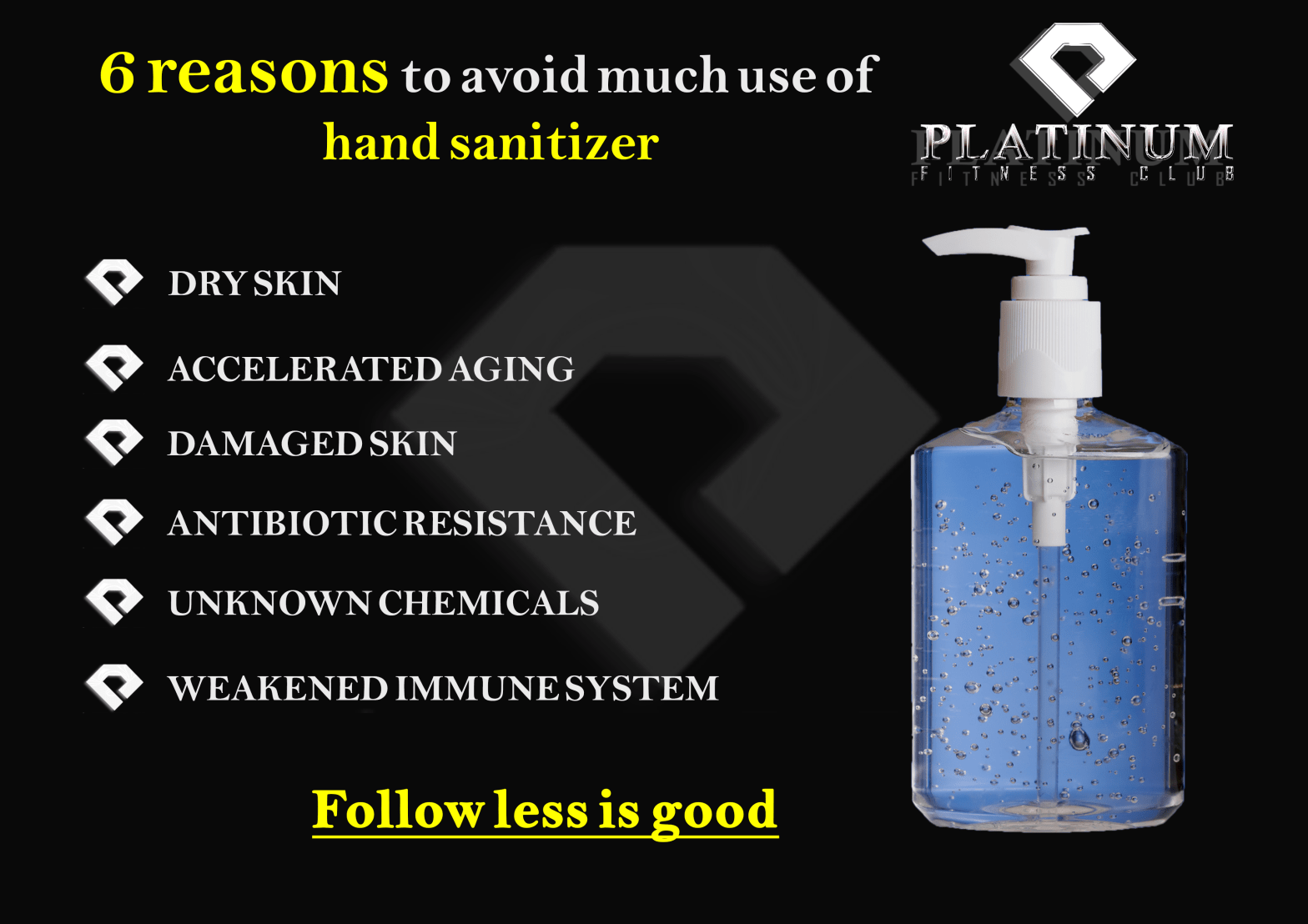
6 REASONS TO AVOID MUCH USE OF HAND SANITIZER
6 REASONS TO AVOID MUCH USE OF HAND SANITIZER
Platinum Fitness Club Hyderabad D PRO Fitness
#PLATINUM #PLATINUMFITNESSCLUB #PLATINUMFITNESSCLUBATTAPUR #HYDERABAD #ATTAPUR #GYMSINATTAPUR #BESTGYM #GYMSNEARME #GYMNEARME #LOCKDOWN #HANDSANITIZERS #SANITIZER #AVOID #6REASONS
Hand sanitizer How safe do u think they are after these facts
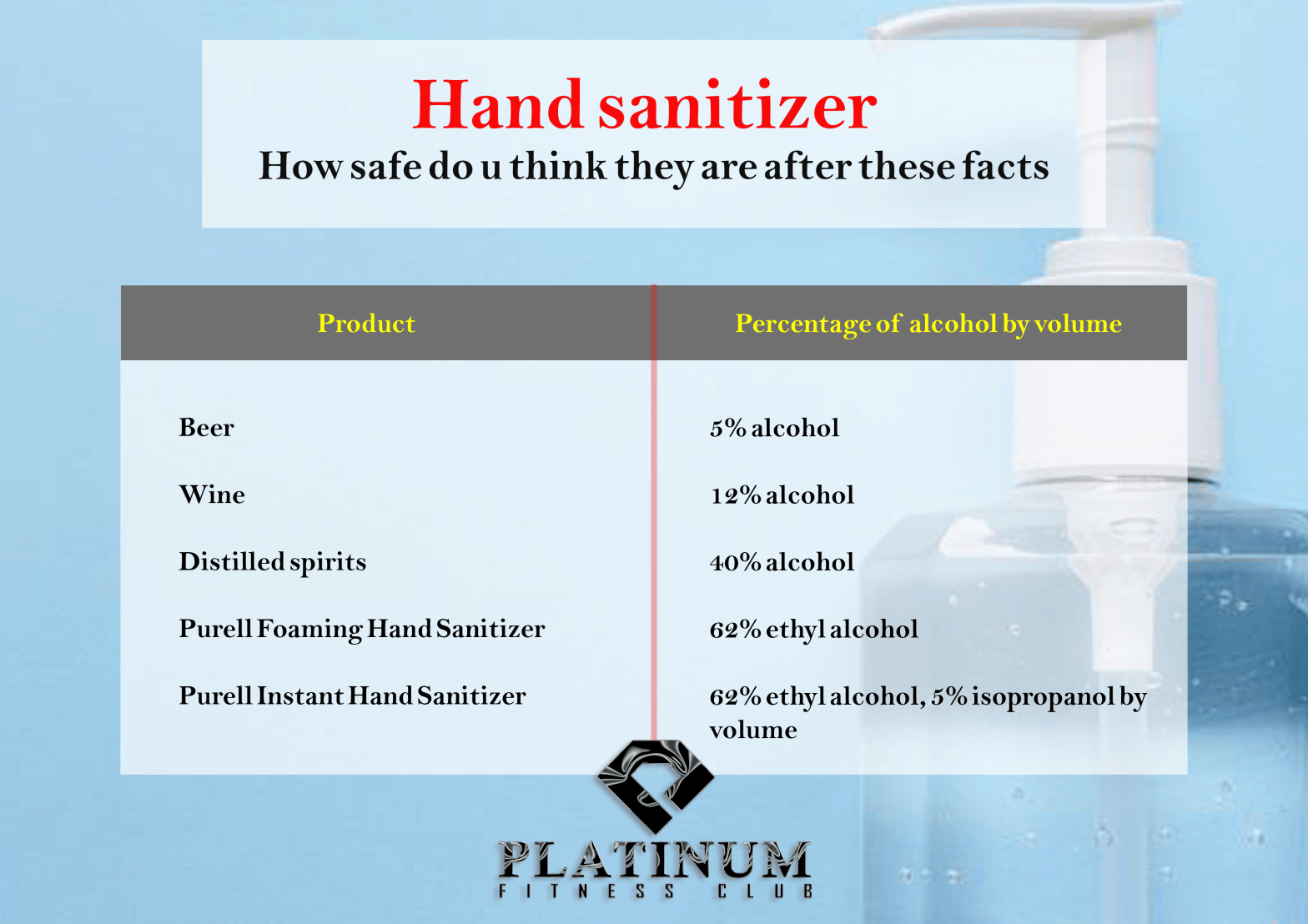
Hand sanitizer How safe do u think they are after these facts
Platinum Fitness Club Hyderabad D PRO Fitness Dawood Khan
#platinumfitnessclub #bestgym #safegym #handsanitizer #howsafe #HandsanitizerHowsafedouthinktheyareafterthesefacts #dprofitness #fitness #attapurgym #platinum #hyderanad #hyderabadgym #gymsinhyderabad #gymsinattapur #gymsnearme #safeplatinumfitnessclub #safegyminhyderabad #safegyminattapur #familyfitnessclub #fitnessclub
HOW GROWTH HORMONE EFFECTS YOUR FITNESS JOURNEY & HEALTH

HUMAN GROWTH HORMONE (HGH)
Human growth hormone (HGH) is an important hormone producHGH also boosts muscle growth, strength, and exercise performance, while helping you recover from injury and disease.
Low HGH levels may decrease your quality of life, increase your risk of disease, and make you gain fat .
If you’re feeling and looking older than your years, you may be low in the quintessential foundation of youth: growth hormone. Also referred to as HGH, growth hormone affects just about every cell in the body. It’s essential for tissue repair, muscle building, bone density and healthy body composition. Not surprisingly, it also has a major effect on our feelings, actions and appearance.
Optimal levels are especially important during weight loss, injury recovery, and athletic training .
Interestingly, your diet and lifestyle choices can significantly affect your HGH levels .
To find out if you’re low in growth hormone take this simple quiz. Do you suffer from any of the following:
-Thinning skin or skin has lost its fullness
-Dry or sagging skin
-Menopause (women); andropause (men)
-Lack of exercise
-Loss of muscle tone in arms or legs
-High alcohol consumption
-Fat gain around “love handles” or abdomen
-Difficulty building or maintaining muscle
-Loss of bone density or osteoporosis
-Generalized overweight/weight gain/obesity
-Failing to sleep in total darkness
-Difficulty staying asleep (especially waking between 2 and 4 a.m.)
-Sleep apnea
-Use of corticosteroids
If you answered yes to more than five of these, you’ll benefit from boosting your GH levels. Find out six ways to get them back on track below:
1. Reduce your sugar intake
Elevated insulin levels may reduce HGH production. Therefore, limit your intake of large amounts of sugar and refined carbs.
An increase in insulin is associated with lower HGH levels.
Refined carbs and sugar raise insulin levels the most, so reducing your intake may help optimize growth hormone levels .
Along with directly affecting insulin levels, excess sugar intake is a key factor in weight gain and obesity, which also affect HGH levels.
The occasional sweet treat will not impact your HGH levels in the long term.
2. Don’t eat a lot before bedtime
Your body naturally releases significant amounts of HGH, especially at night .
Given that most meals cause a rise in insulin levels, it is better to avoid food before bedtime .
In particular, a high-carb or high-protein meal may spike your insulin and potentially block some of the HGH released at night .
Nevertheless, insulin levels normally decrease 2–3 hours after eating, so you may wish to avoid carb- or protein-based meals 2–3 hours before bedtime.
3. Exercise at a high intensity
Exercise is one of the most effective ways to significantly raise your HGH levels.
The increase depends on the type of exercise, intensity, food intake around the workout, and your body’s own traits.
High-intensity exercise increases HGH the most, but all forms of exercise are beneficial.
You can perform repeated sprints, interval training, weight training, or circuit training to spike your HGH levels and maximize fat loss.
Nevertheless, over the long term, exercise may optimize your hormone function and decrease body fat, both of which will benefit your HGH levels.
4. Optimize your sleep
The majority of HGH is released in pulses when you sleep. These pulses are based on your body’s internal clock or circadian rhythm.
The largest pulses occur before midnight, with some smaller pulses in the early morning .
Studies have shown that poor sleep can reduce the amount of HGH your body produces.
In fact, getting an adequate amount of deep sleep is one of the best strategies to enhance your long-term HGH production .
Here are a few simple strategies to help optimize your sleep:
- Avoid using phones before bedtime.
- Read a book in the evening.
- Make sure your bedroom is at a comfortable temperature.
- Don’t consume caffeine late in the day.
5. Fast intermittently
Fasting leads to a major increase in HGH levels.
Intermittent fasting can help optimize HGH levels in two main ways. First, it can help you drop body fat, which directly affects HGH production.
Second, it’ll keep your insulin levels low for most of the day, as insulin is released when you eat. As insulin spikes can disrupt your natural growth hormone production.
Multiple methods of intermittent fasting are available. One common approach is a daily 8-hour eating window with a 16-hour fast. Another involves eating only 500–600 calories 2 days per week.
However, continuous fasting is not sustainable in the long term.Intermittent fasting is a more popular dietary approach that limits eating to brief time periods.
6. Lose body fat
The amount of belly fat you carry is directly related to your HGH production .Those with higher levels of belly fat will likely have impaired HGH production and an increased risk of disease.
Belly fat is the most dangerous type of stored fat and linked to many diseases.Losing belly fat will help optimize your HGH levels and other aspects of your health.
Aim to achieve a balanced diet, as what you eat has a profound effect on your health, hormones, and body composition.
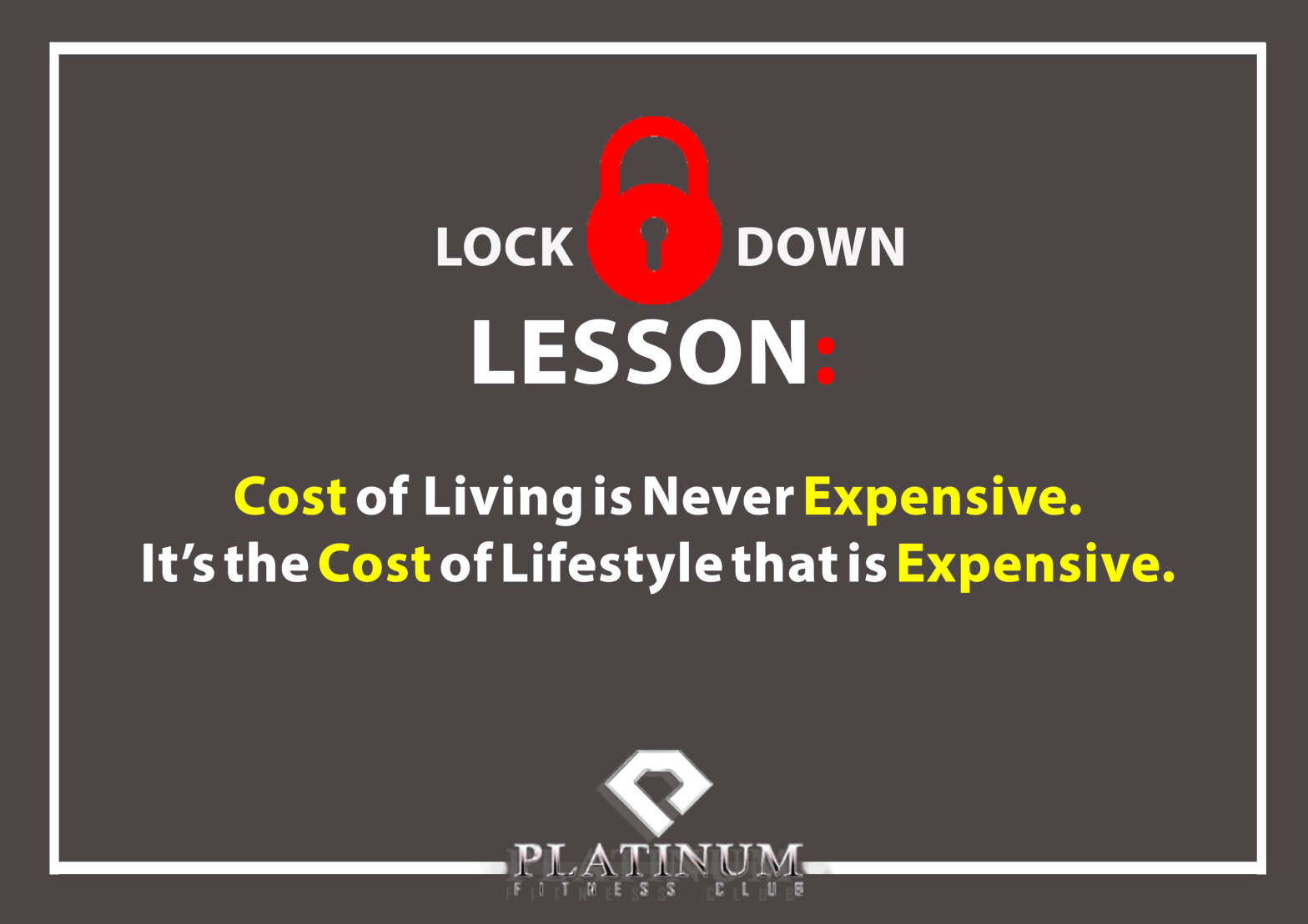
lockdown lesson
@Platinumfitnessclub @dprofitness123 #platinum #platinumfitnessclub #dprofitness #training #lockdownlesson #lesson #lockdown #coronavirus #gym #gymsnearme #bestgym #attapur #hyderabad #gyminhyderabad #fitness #google #twitter #instagram #modeling #diet #best #food #transformation
Heard a lot about depression?? know about depression, symptoms and how to cure it naturally!


Last week we have seen many people speaking about depression and asking to speak in case if there is anyone suffering from it. In my opinion, no one comes to save you from your anxiety or depression, it’s you who can deal with it maturely. In this newsletter, I have tried to pen out some points that can help you or your family to overcome it.
What Is Depression?
Depression is a common and serious medical illness that negatively affects how you feel, the way you think and how you act. Fortunately, it is also treatable. Depression causes feelings of sadness and/or a loss of interest in activities once enjoyed. It can lead to a variety of emotional and physical problems and can decrease a person’s ability to function at work and at home.
Depression symptoms can vary from mild to severe and can include:
- Feeling sad or having a depressed mood
- Loss of interest or pleasure in activities once enjoyed
- Changes in appetite — weight loss or gain unrelated to dieting
- Trouble sleeping or sleeping too much
- Loss of energy or increased fatigue
- Increase in purposeless physical activity (e.g., hand-wringing or pacing) or slowed movements and speech (actions observable by others)
- Feeling worthless or guilty
- Difficulty thinking, concentrating or making decisions
- Thoughts of death or suicide
The death of a loved one, loss of a job or the ending of a relationship are difficult experiences for a person to endure. It is normal for feelings of sadness or grief to develop in response to such situations. Those experiencing loss often might describe themselves as being “depressed.”
But being sad is not the same as having depression. The grieving process is natural and unique to each individual and shares some of the same features of depression. Both grief and depression may involve intense sadness and withdrawal from usual activities.
5 SELF HEALING METHODS :
1. WATCH YOUR SURROUNDINGS:
when you have problems and you don’t find solutions for it think on the brighter side. As this is not the end, relate your problems with real-life examples of people or see the surroundings and people suffering more than you and try to help them out, by doing this you will find peace and you get your solutions and clarity for life.
2. PRACTICE YOGA:
Benefits of yoga :
- reduce the impact of stress
- help with anxiety and depression
- be a self-soothing technique similar to meditation, relaxation, and exercise
- improve energy
Yoga is a physical exercise that involves different body poses, breathing techniques, and meditation. The therapy may help with depression and your symptoms, such as difficulty concentrating or loss of energy.
3. Share your thoughts with your close one :
Sharing your thoughts and problems gives you relief, but make sure you are sharing it with the right person who can understand and shows you the right path.
4.EAT HEALTHY:
Did you know that nutritious foods can also protect your mental health? Although no single nutrient or eating plan can cure depression, good overall nutrition is essential for your mental well-being. Eating foods that are rich in essential vitamins, minerals, complex carbohydrates, protein, and fatty acids is key to keeping your brain in good working order.
5. SOCIALIZE YOURSELF:
Since socialization really just boils down to spending time with other people you care about or whom are engaged in something you care about, there are numerous ways you can increase your socialization:
- Initiate interactions with friends and family. Call friends or family members and talk or chat, or invite them to spend time with you. Have a party, exercise together, eat at a restaurant or just hang out. If your schedule is too busy to allow for this sort of thing, then change your schedule to open up a little time.
- Introduce yourself to neighbors and other people you come into contact with frequently. Say hello when someone walks by and ask how they are doing.
- Join groups. Participate in religious services, civic groups, service groups, hobby groups, exercise groups, gyms, and similar sorts of community groups. Take a class that interests you. Regular attendance is important; it takes a while before people sense that you’re no longer a stranger.
Consult a doctor or counselor if you are not able to cope up with your thoughts.
HAPPY FATHER’S DAY

HAPPY FATHER’S DAY
@PlatinumFITNESSCLUB @dprofitness123 #PLATINUMFITNESSCLUB #FATHERSDAY #HAPPY #FITNESS #DPROFITNESS #LOCKDOWN #quarantine #INDIA #HYDERABAD #FITNESSHYDERABAD #GYMSNEARME #HAPPYFATHERSDAY #PHOTOSHOP #PICSARTS #BESTGYM #FAMILYFITNESS #ATTAPUR #GOOGLE #FACEBOOK #INSTAGRAM
EAT WELL WITH DIABETES !
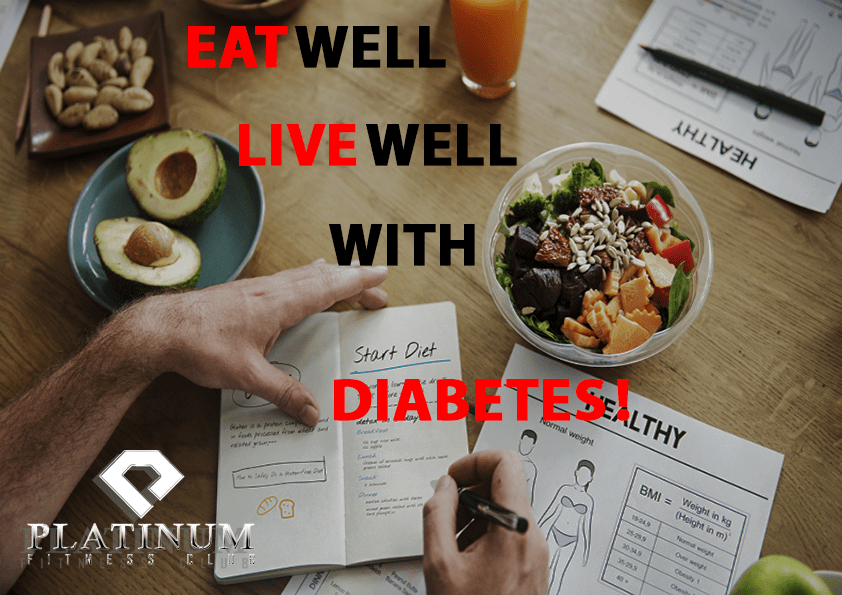
EAT WELL WITH DIABETES
Managing blood sugar is the key to living well with diabetes, and eating well is the key to managing blood sugar. But what does it mean to eat well? Simply put, eat healthy foods that give you the nutrition you need. Eat those foods in the right amounts at the right times so your blood sugar stays in your target range as much as possible.
You don’t have to give up your favorite foods to eat well—tasty food can be one of life’s greatest pleasures. But you will need to balance the proteins, fats, and carbs you eat to manage your diabetes and feel your best. Work with your dietitian or diabetes educator to create a healthy eating plan, and check out the resources in this section for tips, strategies, and ideas to make it easier to eat well.
There are different types of diabetes, and no two people with diabetes are the same. So there isn’t a one-size-fits-all way of eating for everyone with diabetes. But we’ve come up with tips that you can use to help you make healthier food choices.
These healthy eating tips are general and can help you manage your blood glucose (sugar), blood pressure and cholesterol levels. They can also help you manage your weight and reduce the risk of diabetes complications, such as heart problems and strokes, and other health conditions including certain types of cancers.
What does eating right mean for you?
If you have Type 1 diabetes, carbs counting is really important to keep your blood glucose levels steady. This is where you estimate how many carbs are in your meal and match it with how much insulin you need to take.
If you have Type 2 and you’re overweight, finding a way to lose weight is important as it really improves diabetes management. This is because it can help to lower your blood glucose and reduce your risk of other complications. There are different ways of doing this like the low-carb, Mediterranean or very-low-calorie diets. Losing weight can help you lower your blood glucose levels, and we now know that substantial weight loss can even put some people’s Type 2 Typdiabetes into remission.
Whether you have Type 1 or Type 2 diabetes, you might need to lose, gain or maintain your current weight but it’s important to make healthier food choices while you’re doing it.
TIPS FOR HEALTHY EATING WITH DIABETES
1. Choose healthier carbohydrates
All carbs affect blood glucose levels so it’s important to know which foods contain carbohydrates. Choose the healthier foods that contain carbs and be aware of your portion sizes.
Here are some healthy sources of carbohydrate:
- whole grains like brown rice, buckwheat and whole oats
- fruit
- vegetables
- pulses such as chickpeas, beans and lentils
- dairy like unsweetened yoghurt and milk.
At the same time, it’s also important to cut down on foods low in fiber such as white bread, white rice and highly -processed cereals. You can check food labels when you’re looking for foods high in fiber if you’re unsure.
2. Eat less salt
Eating lots of salt can increase your risk of high blood pressure, which in turn increases the risk of heart diseases and stroke. And when you have diabetes, you’re already more at risk of all of these conditions.
Try to limit yourself to a maximum of 6g (one teaspoonful) of salt a day. Lots of pre-packaged foods already contain salt so remember to check food labels and choose those with less salt. Cooking from scratch will help you keep an eye on how much salt you’re eating. You can also get creative and swap out salt for different types of herbs and spices to add that extra flavor.
3. Eat less red and processed meat
If you’re cutting down on carbs, you might start to have bigger portions of meat to fill you up. But it’s not a good idea to do this with red and processed meat, like ham, bacon, sausages, beef, and lamb. These all have links with heart problems and cancers.
Try swapping red and processed meat for these:
- pulses such as beans and lentils
- eggs
- fish
- poultry like chicken and turkey
- unsalted nuts
Beans, peas, and lentils are also very high in fibre and don’t affect your blood glucose levels too much – making them a great swap for processed and red meat and keeping you feeling full. Most of us know that fish is good for us, but oily fish like salmon and mackerel are even better. These are rich in something called omega-3 oil, which helps protect your heart. Try and aim to eat two portions of oily fish a week.
4. Eat more fruit and veg
We know eating fruit and veg is good for you. It’s always a good thing to aim to eat more at mealtimes and have them as snacks if you’re hungry. This can help you get the vitamins, minerals, and fibre your body needs every day to help keep you healthy.
You might be wondering about fruit and if you should avoid it because it’s sugary? The answer is no. Whole fruit is good for everyone and if you have diabetes, it’s no different. Fruits do contain sugar, but it’s natural sugar. This is different from the added sugar (also known as free sugars) that are in things like chocolate, biscuits, and cakes.
Products like fruit juices also count as added sugar, so go for whole fruit instead. This can be fresh, frozen, dried or tinned (in juice, not in syrup). And it’s best to eat it throughout the day instead of one bigger portion in one go.
5. Choose healthier fats
We all need fat in our diet because it gives us energy. But different types of fat affect our health in different ways.
Healthier fats are in foods like unsalted nuts, seeds, avocados, oily fish, olive oil, rapeseed oil, and sunflower oil. Some saturated fats can increase the amount of cholesterol in your blood, increasing your risk of heart problems. These are mainly found in animal products and prepared food like:
- red and processed meat
- butter
- lard
- biscuits, cakes, pies, and pastries.
It’s still a good idea to cut down on using oils in general, so try to grill, steam or bake foods instead.
6. Cut down on added sugar
We know cutting out sugar can be really hard at the beginning, so small practical swaps are a good starting point when you’re trying to cut down on excess sugar. Swapping sugary drinks, energy drinks and fruit juices with water, plain milk, or tea and coffee without sugar can be a good start.
You can always try low or zero-calorie sweeteners (also known as artificial sweeteners) to help you cut back. Cutting out these added sugars can help you control your blood glucose levels and help keep your weight down. If your diabetes treatment means you get hypos, and you use sugary drinks to treat them, this is still important for your diabetes management and you shouldn’t cut this out. However, if you are having regular hypos it is really important to discuss this with your diabetes team.
7. Be smart with snacks
If you want a snack, choose yogurts, unsalted nuts, seeds, fruits, and vegetables instead of crisps, chips, biscuits, and chocolates. But watch your portions still – it’ll help you keep an eye on your weight.
8. Drink alcohol sensibly
Alcohol is high in calories, so if you do drink and you’re trying to lose weight, think about cutting back. Try to keep to a maximum of 14 units a week. But spread it out to avoid binge drinking, and go several days a week without alcohol.
If you take insulin or other diabetes medications, it’s also not a good idea to drink on an empty stomach. This is because alcohol can make hypos more likely to happen.
8. Don’t bother with so-called diabetic food
To say the food is a “diabetic food” is now against the law. This is because there isn’t any evidence that these foods offer you a special benefit over eating healthy. They can also often contain just as much fat and calories as similar products, and can still affect your blood glucose level. These foods can also sometimes have a laxative effect.
10. Get your minerals and vitamins from foods
There’s no evidence that mineral and vitamin supplements help you manage your diabetes. So, unless you’ve been told to take something by your healthcare team, like folic acid for pregnancy, you don’t need to take supplements.
It’s better to get your essential nutrients by eating a mixture of different foods. This is because some supplements can affect your medications or make some diabetes complications worse, like kidney disease.
Don’t forget to keep moving
Being more physically active goes hand in hand with eating healthier. It can help you manage your diabetes and also reduce your risk of heart problems. This is because it increases the amount of glucose used by your muscles and helps the body use insulin more efficiently.
HOW TO BOOST YOUR IMMUNE SYSTEM NATURALLY !!

Helpful ways to strengthen your immune system and fight off disease
How can you improve your immune system? On the whole, your immune system does a remarkable job of defending you against disease-causing microorganisms. But sometimes it fails: A germ invades successfully and makes you sick. Is it possible to intervene in this process and boost your immune system? What if you improve your diet? what if you exercise regularly? Make other lifestyle changes in the hope of producing a near-perfect immune response?
Boosting your immune system may be as simple as getting more exercise and eating healthier food.
Increased exercise combined with proper nutrition can have a positive impact on the diverse range of beneficial microorganisms that naturally inhabits your intestine, which in turn helps your immune system.
Good nutrition is essential to a strong immune system, which offers protection from seasonal illness such as the flu and other health problems including arthritis, allergies, abnormal cell development and cancers. Help protect yourself against infection and boost your immunity by including these nutrients in your eating plan.
Protein plays a role in the body’s immune system, especially for healing and recovery. Eat a variety of protein foods including seafood, lean meat, poultry, eggs, beans and peas, soy products and unsalted nuts and seeds.
Vitamin A helps regulate the immune system and protect against infections by keeping skin and tissues in the mouth, stomach, intestines and respiratory system healthy. Get this immune-boosting vitamin from foods such as sweet potatoes, carrots, broccoli, spinach, red bell peppers, apricots, eggs or foods labeled “vitamin A fortified,” such as milk or some cereals.
Vitamin C helps protect you from infection by stimulating the formation of antibodies and boosting immunity. Include more sources of this healthy vitamin by choosing citrus fruits such as oranges, grapefruit and tangerines, or red bell pepper, papaya, strawberries, tomato juice or foods fortified with vitamin C, such as some cereals.
Vitamin E works as an antioxidant, neutralizes free radicals and may improve immune function. Include vitamin E in your diet with fortified cereals, sunflower seeds, almonds, vegetable oils (such as sunflower or safflower oil), hazelnuts and peanut butter
Zinc helps the immune system work properly and may help wounds heal. Zinc can be found in lean meat, poultry, seafood, milk, whole grain products, beans, seeds and nuts.
Other nutrients, including vitamin B6, folate, selenium, iron, as well as prebiotics and probiotics, also may influence immune response and play a role in a healthful eating style. Obtaining these nutrients from foods is preferred, so be sure to speak with your health care provider or a registered dietitian nutritionist before taking any immune-boosting supplements.
Healthy ways to strengthen your immune system
Your first line of defense is to choose a healthy lifestyle. Following general good-health guidelines is the single best step you can take toward naturally keeping your immune system strong and healthy. Every part of your body, including your immune system, functions better when protected from environmental assaults and bolstered by healthy-living strategies such as these:
- Don’t smoke.
- Eat a diet high in fruits and vegetables.
- Exercise regularly.
- Maintain a healthy weight.
- If you drink alcohol, drink only in moderation.
- Get adequate sleep.
- Take steps to avoid infection, such as washing your hands frequently and cooking meats thoroughly.
- Try to minimize stress.
Exercise: Good or bad for immunity?
Regular exercise is one of the pillars of healthy living. It improves cardiovascular health, lowers blood pressure, helps control body weight, and protects against a variety of diseases. But does it help to boost your immune system naturally and keep it healthy? Just like a healthy diet, exercise can contribute to general good health and therefore to a healthy immune system. It may contribute even more directly by promoting good circulation, which allows the cells and substances of the immune system to move through the body freely and do their job efficiently.
10 Foods That Boost the Immune System
1. Citrus fruits
Popular citrus fruits include:
- grapefruit
- oranges
- tangerines
- lemons
- limes
- clementines
2. Broccoli
3. Garlic
4. Spinach
5. Yogurt
6. Almonds
7. Turmeric
8. Papaya
9. Kiwi
10. Sunflower seeds
How to Stay physically & mentally active during self-quarantine?

How to Stay physically & mentally active
during self-quarantine
As many of us are being told to hunker down in our apartments and houses and limit trips outside and social contact, things are feeling pretty “real” at this point. Aside from the general worry, people may have about their physical health as they digest the news from around the world and here at home, there’s the larger toll this is taking on our collective mental health. One of the main weapons we have to fight the virus is social distancing—a deeply unnatural practice for humans, but an essential one.
Here are some of the physical and mental health practices to make sure to keep doing—or begin doing, for some of us—during the lockdown period.
Have a routine (as much as you can)
We know how important routine is, especially for kids, under normal conditions. And when schools are closed and many people are working from home or told to stay at home, it might feel like all bets are off. But it’s actually much better for everyone’s mental health to try to keep a routine going, as much as possible.
“This means eating meals at regular times, sleeping, waking and exercising at set times, and maintaining social (socially distant) contact. Unstructured time can create boredom, spikes in anxiety or depression, which can lead to unhealthy patterns of coping.”
Another reason is that keeping a routine reduces “decision fatigue,” the overwhelm and exhaustion that can come from too many options. So in the morning, rather than wondering whether to start work or help the kids with their online learning, it’s better to know what you’re going to do—make a schedule that everyone can get on board with, and try to stick with it (as much as is possible—don’t beat yourself up if it doesn’t always work, and it’s sure not to work some days)
Maintain community and social connection
As mentioned, we’re fundamentally social creatures, and during crises, it’s natural to want to gather. Social connectivity is perhaps the greatest determinant of wellbeing. Unfortunately, it’s the opposite of what we can do right now, so we have to be creative, to maintain both psychological closeness and a sense of community. Texting and social media are ok, but picking up the phone and talking or videoconferencing, or having a safe-distance conversation on the street, is probably much better.
Be of service, from a distance
Being of service is one of the best things we can do for society—and on a more selfish note, for ourselves. Studies have repeatedly found that serving others, even via small acts of kindness, has strong and immediate mental health benefits. And feeling a sense of purpose has also been shown to help people recover from negative events and build resilience. For people who are lucky enough to be healthy right now and not caring for a loved one who’s sick, finding ways to help others in this kind of crisis is probably very good for your own well-being.
Meditate, or just breathe
Meditation has lots of research behind it, as most people by now know—it’s been shown to reduce symptoms of depression and anxiety, and even increase the volume of certain areas of the brain.
But if meditation isn’t for you, breathing slowly might be.
Start an at-home exercise routine
Working out at home in these times is obviously a good way to stay healthy and kill indoor time.
These are few exercises one can try at home.
1.Knee to elbow
Touch one knee with the opposite elbow, alternating sides. Find your own pace. Try to perform this for 1–2 minutes, rest for 30–60 seconds, and repeat up to 5 times. This exercise should increase your heart and breathing rates
..jpg)
2. Plank
Support your forearms firmly on the ground, with the elbows under the shoulders. Keep the hips at the level of the head. Hold for 20–30 seconds (or more, if possible), rest for 30–60 seconds, and repeat up to 5 times. This exercise strengthens your belly, arms, and legs.
.jpg)
3. Back extensions
Touch your ears with your fingertips and lift your upper body, keeping the legs on the ground. Lower the upper body again. Perform this exercise 10–15 times (or more), rest for 30–60 seconds, and repeat up to 5 times. This exercise strengthens your back muscles.

4. Squats
Place your feet at hip distance with the toes pointing slightly outwards. Bend the knees as much as feels comfortable, keeping the heels on the ground and the knees over (not in front of) the feet. Bend and stretch the legs. Perform this exercise 10–15 times (or more), rest for 30–60 seconds, and repeat up to 5 times. This exercise strengthens your legs and glutes.

5.Side knee lifts
Touch your knee with your elbow, lifting the knee to the side, alternating sides. Find your own pace. Try to perform this for 1–2 minutes, rest for 30–60 seconds, and repeat up to 5 times. This exercise should increase your heart and breathing rates.

6.Superman
Place your hands under your shoulders and knees under your hips. Lift one arm forward and the opposite leg back, alternating sides. Perform this exercise 20–30 times (or more), rest for 30–60 seconds, and repeat up to 5 times. This exercise strengthens your belly, glutes and back muscles.

7. Bridge
Plant your feet firmly on the ground with the knees over the heels. Lift the hips as much as it feels comfortable and slowly lower them again. Perform this exercise 10–15 times (or more), rest for 30–60 seconds, and repeat up to 5 times. This exercise strengthens your glutes.

8.Chair dips
Hold onto the seat of a chair, with your feet about half a meter away from the chair. Bend your arms as you lower your hips to the ground, then straighten the arms. Perform this exercise 10–15 times (or more), rest for 30–60 seconds, and repeat up to 5 times. This exercise strengthens your triceps.

9.Child’s pose
With the knees on the ground, bring your hips to your heels. Rest your belly on your thighs and actively stretch your arms forward. Breathe normally. Hold this position for 20–30 seconds (or more). This position stretches your back, shoulders and sides of the body.

10.Seated meditation
Sit comfortably on the floor with your legs crossed (alternatively, sit on a chair). Make sure your back is straight. Close your eyes, relax your body and progressively deepen your breathing. Concentrate on your breath, trying not to focus on any thoughts or concerns. Remain in this position for 5–10 minutes or more, to relax and clear your mind.

 Best Fitness Club In Hyderabad | Platinum Fitness Club