TIRED WORKING ON YOUR BELLY FAT?DO YOU KNOW WHAT CAUSES BELLY FAT ?HERE ARE SOME TIPS TO GET RID OF YOUR BELLY FAT!

DO YOU WANT TO GET RID OF YOUR BELLY FAT? WHAT CAUSES BELLY FAT? WHY IS BELLY FAT A PROBLEM?

Belly fat is the accumulation of abdominal fat that results in increased waist size. It is also known as central adiposity or abdominal obesity. Many people have concerns about too much belly fat, and a variety of factors can cause you to get a bigger midsection. People often put on more belly fat when they become middle-aged, after pregnancy, or when they eat or drink more calories than they burn. They don’t call it a beer belly for nothing. But no matter what the cause, a bulging belly is something many people want to reduce.

Causes of belly fat

Common causes of excess belly fat include the following:

1. Poor diet

Sugary food, such as cakes and candy, and drinks, such as soda and fruit juice, can:

  • cause weight gain
  • slow a person’s metabolism
  • reduce a person’s ability to burn fat

2. Too much alcohol

Consuming excess alcohol can cause a variety of health problems, including liver disease and inflammation.

3. Lack of exercise

If a person consumes more calories than they burn off, they will put on weight.

An inactive lifestyle makes it hard for a person to get rid of excess fat, particularly around the abdomen.

4. Stress

A steroid hormone known as cortisol helps the body control and deal with stress. When a person is in a dangerous or high-pressure situation, their body releases cortisol, and this can impact on their metabolism.

People often reach for food for comfort when they feel stressed, and cortisol causes the excess calories to remain around the belly and other areas of the body for later use.

6. Poor sleep

Both poor quality and short duration of sleep can play a part in the development of abdominal fat.

Not getting enough good sleep may, potentially, lead to unhealthful eating behaviors, such as emotional eating.

7. Smoking

Researchers may not consider smoking to be a direct cause of belly fat, but they do believe it to be a risk factor.

Why Is Belly Fat a Problem?

If you carry excess fat around your waist, you are more likely to develop health problems than if you carry fat mainly in your hips and thighs. Belly fat can significantly increase your chances of developing a number of serious health issues, including:5

  • Heart disease
  • Breast cancer
  • Diabetes
  • Gallbladder problems
  • High blood pressure

Understanding the importance of belly fat and the risks associated with a bigger midsection may help you to start a program to get rid of your belly fat.

How to lose belly fat

As you work to slim down, you might notice that weight comes off many areas of your body, but it tends to stick around your midsection. You’re not imagining things if belly fat seems extra stubborn.

Several factors, including hormonal changes, genes, and loss of muscle mass, can affect the distribution of fat in your body—and your belly is one place it tends to always find a home.

Exercise More

There’s no doubt that any amount of exercise is good for you, but the more you do, the more belly fat you can lose.

However, many people struggle to get even the minimum amount of exercise suggested by experts (about 30 minutes of moderate activity a day). In addition, not everyone is equipped, either physically or mentally, for intense, high-impact exercise.

If you want to reduce belly fat, but you’re not ready for hours of intense exercise, start where you are and build from there. It takes time to build the strength, conditioning, and endurance to handle high-intensity exercise. Start with what you can do and add more as you can.

  • Add time to your workouts: Work at a moderate pace and increase workout time every week by 5 to 10 minutes until you can exercise continuously for 30 minutes. You might start with a  beginner cardio workout or a more long-term starter exercise plan. 
  • Increase frequency: Add another day of cardio after you’ve been exercising regularly for 2 to 3 weeks.
  • Increase intensity: Add short bursts of speed or resistance to your workouts or practice going faster than you normally do.
  • Split your workouts: You can break up your workouts into multiple shorter sessions while getting the same benefits as a continuous workout. 

Change Your Diet

Even small changes to your diet can make a difference when you’re trying to lose weight, so don’t feel like you have to follow a strict regimen or cut out entire food groups. If you like to bake, try low-calorie substitutions in your recipes.

cooking at home more often can help you lose weight, especially if you look for ways to reduce fat and calories in your meals. As you make changes like these, you may even find that you enjoy healthy eating.

People who try to slim their stomach area usually try one of two methods: diet or exercise. Both are good ideas, but if you want to specifically target belly fat, you’re going to have to do both in order to create effective results.

Eat More Whole Grains

Whole grains are a great source of fiber and are proven to help reduce the risk of cardiovascular disease. What makes them even better is they may actually help reduce fat around the belly.
HOW TO STAY HEALTHY DURING SELF- QUARANTINE!!

DIETARY GUIDELINES TO BE FOLLOWED IN SELF- QUARANTINE 

Good nutrition is crucial for health, particularly in times when the immune system might need to fight back. Limited access to fresh foods may compromise opportunities to continue eating a healthy and varied diet. It can also potentially lead to increased consumption of highly processed foods, which tend to be high in fats, sugars and salt. Nonetheless, even with few and limited ingredients, one can continue eating a diet that supports good health.

1. USE WHAT IS ALREADY IN YOUR PANTRY:

Assess what you already have at home and plan your intake. You might feel the need to purchase large amounts of foods, but make sure to consider and utilize what is already in your pantry, as well as foods with shorter shelf life. This way you can avoid food waste and allow others to access the food they need.

​2. INCLUDE FRESH PRODUCTS :

Use fresh ingredients and those that have a shorter shelf life first. If fresh products, especially fruits, vegetables and reduced-fat dairy products continue to be available, prioritize these over non-perishables. Frozen fruits and vegetables can also conveniently be used over longer periods of time.

3. OPT FOR HOME-COOKED MEALS:

During regular daily life, many individuals often do not have the time to prepare home-cooked meals. Spending longer periods of time at home may now offer the possibility to make those recipes you previously did not have time to make. Many healthy and delicious recipes can be found online. Take advantage of the wealth of freely available information, and experiment with the ingredients you can access.

4. OPT FOR PORTION CONTROL:

It can be difficult to get portion sizes right, especially when cooking from scratch. Being at home for extended periods, especially without a company or with limited activities can also lead to overeating.

5. LIMIT YOUR SALT & SUGAR INTAKE: 

The availability of fresh foods may decrease and it may therefore become necessary to rely more on canned, frozen or processed foods. Many of these foods contain high levels of salt. WHO recommends consuming less than 5 g of salt per day. In order to achieve this, prioritize foods with reduced or no added salt. You may also consider rinsing canned foods such as vegetables and beans, to remove some of the excess sodium. Be aware that pickled foods often contain high levels of sodium too.

WHO recommends that ideally less than 5% of total energy intake for adults should come from free sugars (about 6 teaspoons). If you crave something sweet, fresh fruit should always be the priority. Frozen fruits, canned fruits in juice rather than syrup, and dried fruits with no added sugar are also good options. When other dessert options are chosen, ensure that they are low in sugar and consume small portions. Watch out for low-fat options, as these are often high in added sugars. Limit the amount of sugar or honey added to foods and avoid sweetening your beverages.

6. CONSUME ENOUGH FIBRE:

​Fibre contributes to a healthy digestive system and offers a prolonged feeling of fullness, which helps prevent overeating. To ensure an adequate fibre intake, aim to include vegetables, fruit, pulses and wholegrain foods in all meals. Wholegrains foods include oats, brown pasta and rice, quinoa and whole-wheat bread and wraps, rather than refined grain foods such as white pasta and rice, and white bread. 

​7. STAY HYDRATED :

​Good hydration is crucial for optimal health. Whenever available and safe for consumption, tap water is the healthiest and cheapest drink. It is also the most sustainable, as it produces no waste, compared to bottled water. Drinking water instead of sugar-sweetened beverages is a simple way to limit your intake of sugar and excess calories. To enhance its taste, fresh or frozen fruits like berries or slices of citrus fruits may be added, as well as cucumber or herbs such as mint, lavender or rosemary.

​8.AVOID CAFFEINATED DRINKS 

Avoid drinking large amounts of strong coffee, strong tea, and especially caffeinated soft drinks and energy drinks. These may lead to dehydration and can negatively impact your sleeping patterns. 

SIMPLE & HEALTHY RECIPES TO TRY THIS QUARANTINE!!

GUEST NEWSLETTER 

​Dt Zeba Pervaiz Husain

​Try some simple and innovative recipes back home during this quarantine and stay healthy.

In this newsletter, there are simple recipes that you can try and tag us by posting the pictures of healthy foods you have  by using hastags
#PLATINUMFITNESSCLUB
#DRPOFITNESS
#ZPHNUTRITION

EASY & HEALTHY RECIPES SHOULD TRY THIS QUARANTINE 

1. ​OATS BANANA PANCAKE

banana-oatmeal-pancakes.jpg

Ingredients:

​2 ripe bananas
2 cups almond milk, or milk of choice
3 cups rolled oats
cinnamon (optional)

Optional Toppings:

blueberries
raspberries
maple syrup

​Instructions

  • In a blender, blend oats into a flour.
  • Add milk, bananas, and cinnamon or any other flavorings, if desired. Blend until smooth.
  • Heat a pan over medium heat, spray, and pour in ¼-⅓ cup batter.
  • Cook until bubbles appear, flip, and cook on other side.
  • Serve warm, topped with maple syrup, fresh berries, or your favorite toppings!

Nutrition

  • Serving Size: 1 serving
  • Calories: 298
  • Sugar: 9
  • Fat: 6
  • Carbohydrates: 54
  • Fiber: 8
  • Protein: 9

2.VERMICELLI UPMA/ SEMIYA UPMA 

Vegetable-Semiya-Upma-Recipe.jpg

Ingredients:

  • 1 tsp ghee (clarified butter)
  • 1 cup vermicelli (I used thin noodles)
  • 1 tbsp oil
  • 1 tsp mustard seeds
  • 1 tsp split black gram (urad dal)
  • 1 sprig of curry leaves
  • A pinch of asafetida
  • 1 large onion, chopped
  • 2 green chilies, chopped
  • 1 inch piece of fresh ginger
  • 1 cup vegetables (green beans + carrot)
  • 1 cup water
  • 1/4 cup frozen green peas
  • Salt to taste

Instructions

  • Heat ghee in a large frying pan over low heat. Add vermicelli. Sauté, stirring continuously, for 3-4 minutes or until golden. Set aside.
  • Heat oil in the same pan over medium-high heat. Splutter mustard seeds, black gram (urad dal) and curry leaves. Stir in asafetida. Add onions, green chilies and ginger. Sauté, stirring occasionally, for 2-3 minutes or until the onions turn soft and translucent.
  • Add beans and carrot. Sauté for 4-5 minutes or until the vegetables are half cooked. Pour in one cup of water. Increase the heat. Bring to the boil. Add vermicelli. Lower the heat to medium. Simmer until vermicelli is cooked and water is absorbed. Stir in green peas. Heat through.

Nutrition

  • Serving Size:​ 1 serving
  • Calories: 323
  • Sugar: ​10
  • Fat: 11
  • Carbohydrates: 49
  • Fiber: 8
  • Protein: ​10

3. BAJRA UTTAPA

download-(5)-6.jpg

Ingredients:

  • ¼ cup whole bajra(black millet) soaked for 8 hours and drained
  • 1¼ cup bajra flour
  • Salt to taste
  • Grated carrot( ½  cup )
  • Chopped onions( ½ cup)
  • Chopped green chillies ( ¼ cup)
  • One teaspoon garlic paste
  • Chopped coriander leaves
  • Turmeric powder
  • Lemon juice
  • Oil

Instructions

  • Combine the whole bajra,1/2 cup of water and salt in a pressure cooker, mix well and pressure cook for 5 whistles.
  • Drain the water and keep the cooked whole Bajra aside.
  • Combine all the ingredients (carrot, onion, green chilies, garlic paste, coriander powder, bajra flour/whole bajra/turmeric/lemon juice)
  • Heat a non-stick pan and grease it lightly with 1/4th teaspoon of oil
  • Pour the batter over the pan and turn it until brown.
  • Serve it with Mint chutney.

​Nutrition

  • ​Serving Size: ​1 serving
  • Calories: ​125
  • Sugar:​ 1
  • Fat: 6
  • Carbohydrates: 14
  • Fiber: ​2
  • Protein: 3

4.Lentil and  Broccoli Chaat 

download-(6)-3.jpg

INGREDIENTS

  • 1 Cup masoor dal (cooked)
  • 30-40 Gram black beans (cooked)
  • 8 broccoli florets
  • 1/2 a sweet lime/mosambi cut into segments
  • 100 Gram papaya (diced)
  • 2-3 potatoes (cooked)
  • 1 Cup methi sprout
  • ½ tsp chaat masala
  • ½ tsp amchur(raw mango) powder
  • 1 Tbsp olive oil
  • 20 Ml honey
  • 30-35 grams of onion chopped

Instructions

  •  Cut and trim broccoli florets.
  • Season with salt, pepper and olive oil and put on a grill until charred.
  •  Alternately you could even roast in the oven for 15 minutes or so.
  •  Whisk all the dressing ingredients together to mix well.
  • Add all the ingredients for the chaat in a bowl.
  • Pour in the dressing and toss together.
  • Add some methi sprouts and the broccoli and serve.

5. STUFFED DATE 

download-(7)-2.jpg

INGREDIENTS

  •    10  dates
  •    Peanut butter (20gm)
  •     3 tablespoons pistachios
  •     Sea salt and fresh ground black pepper
  •    Optional: honey

Instructions

  • Use a knife to make a lengthwise slit into the dates, then remove the pits. Use a spoon to fill them with peanut butter.
  • Crush the pistachios with a rolling pin.
  • Top each with a tiny sprinkle of black pepper, sea salt . Sprinkle on pistachio dust. If desired, add the tiniest drizzle of honey (again, use a small amount to heighten the flavor; too much and it overwhelms).

​Nutrition

  • ​Serving Size: ​1 serving
  • Calories: ​35
  • Fat: ​1.5
  • Carbohydrates: 4
  • Fiber: ​0.4
  • Protein: 1

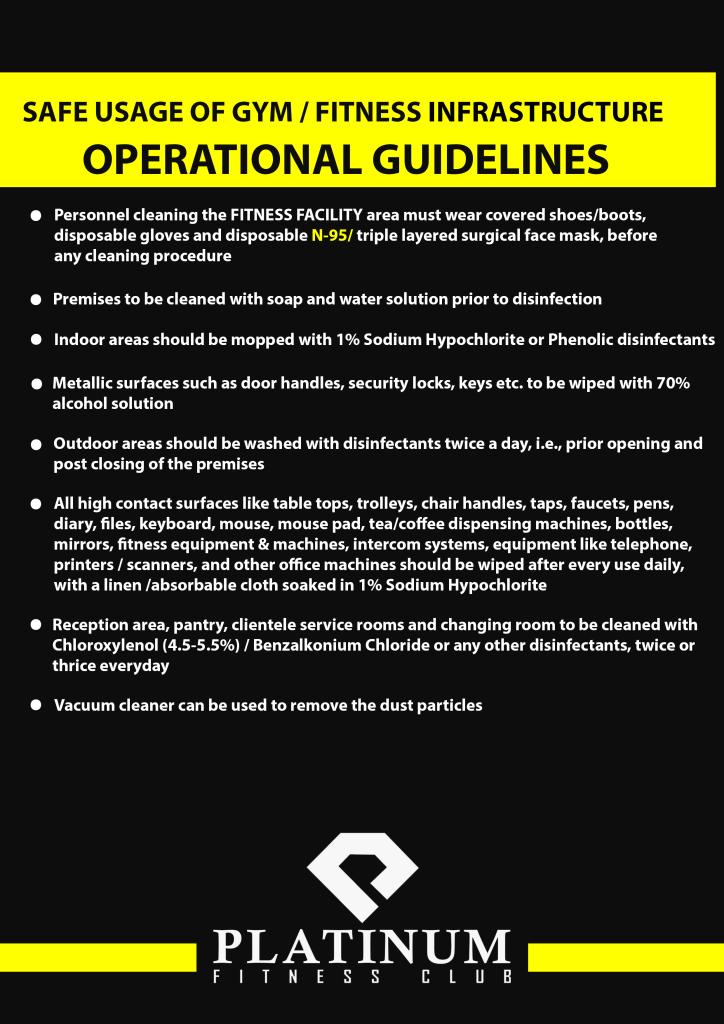
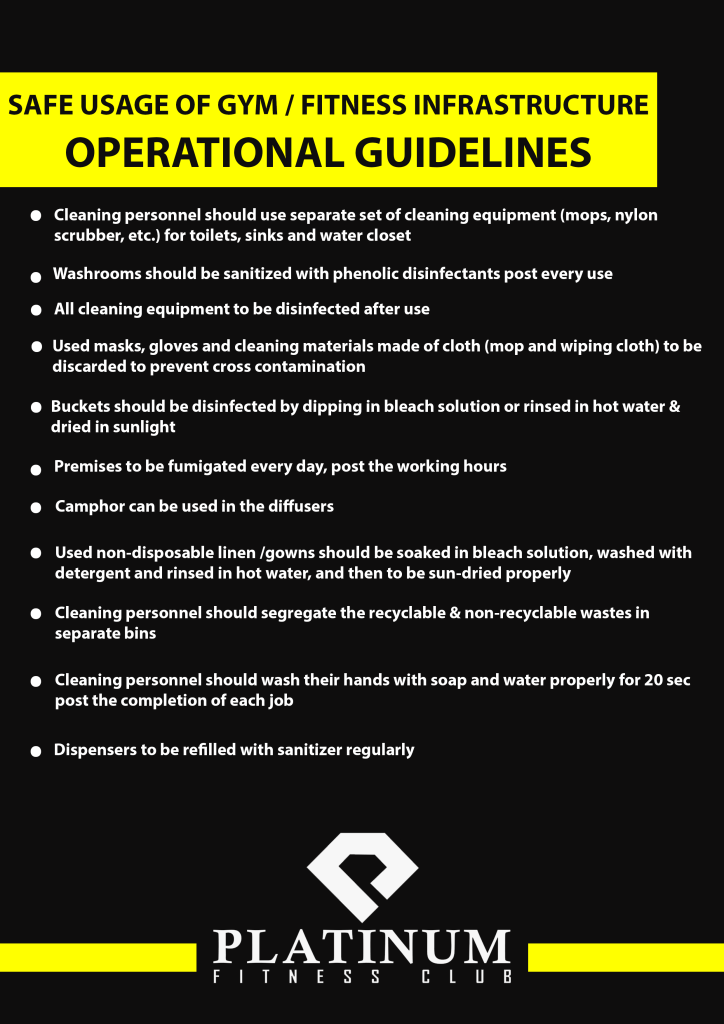
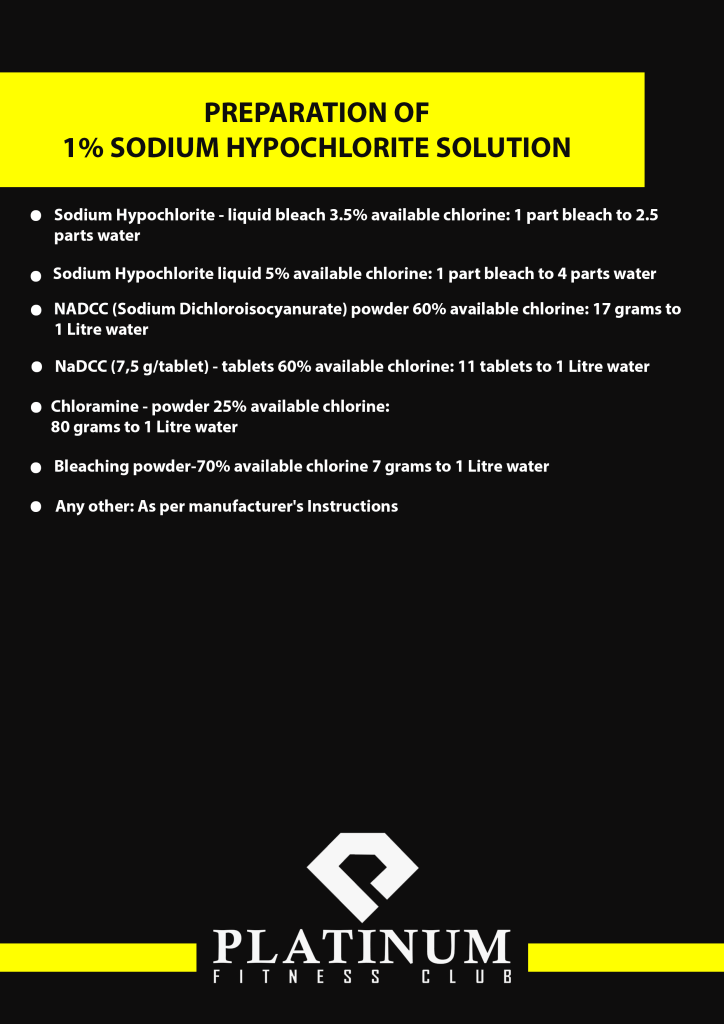
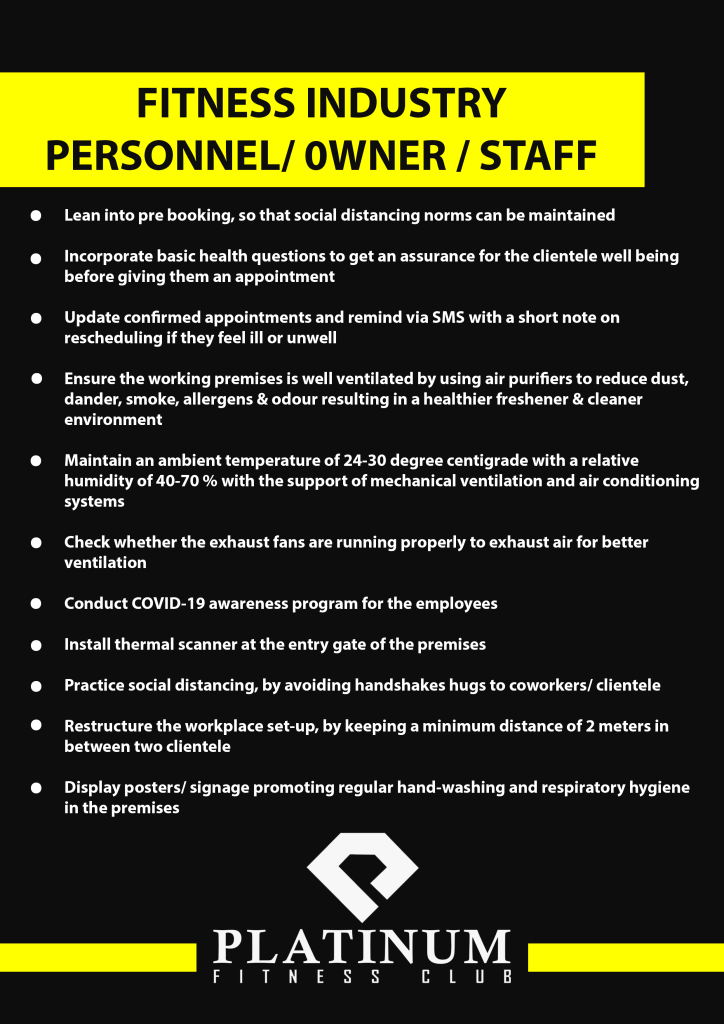
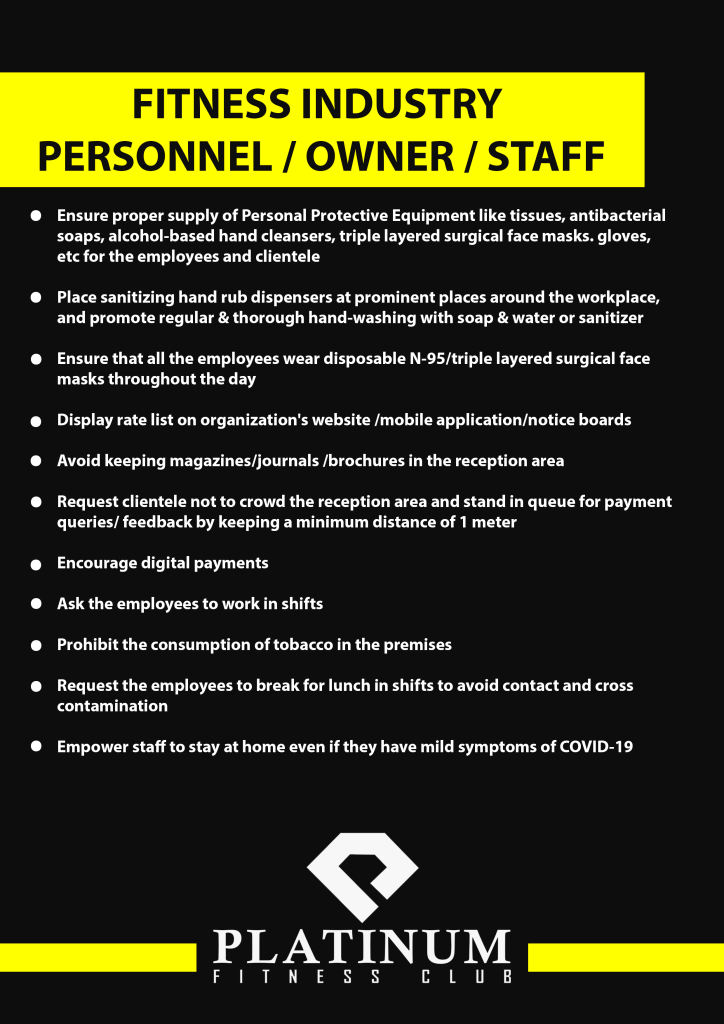
HEALTH & HYGIENE GUIDELINES FOR THE FITNESS INDUSTRY, POST COVID-19 PANDEMIC

HOW IS PHYSICAL ACTIVITY RELATED TO YOUR HEALTH? WHAT ARE THE BENEFITS OF REGULAR EXERCISE?

HOW  IS PHYSICAL ACTIVITY  RELATED TO YOUR HEALTH? WHAT ARE THE BENEFITS OF REGULAR EXERCISE?

Physical activity or exercise can improve your health and reduce the risk of developing several diseases like type 2 diabetes, cancer and cardiovascular disease. Physical activity and exercise can have immediate and long-term health benefits. Most importantly, regular activity can improve your quality of life. A minimum of 30 minutes a day can allow you to enjoy these benefits.  

Benefits of regular physical activity

If you are regularly physically active, you may:

  • reduce your risk of a heart attack 
  • manage your weight better 
  • have a lower blood cholesterol level 
  • lower the risk of type 2 diabetes and some cancers 
  • have lower blood pressure 
  • have stronger bones, muscles and joints and lower risk of developing osteoporosis 
  • lower your risk of falls 
  • recover better from periods of hospitalisation or bed rest 
  • feel better – with more energy, a better mood, feel more relaxed and sleep better. 

We know that staying active is one of the best ways to keep our bodies healthy. But did you know it can also improve your overall well-being and quality of life? 

Here are just a few of the ways physical activity can help you feel better, look better and live better. Because, why not?

It’s a natural mood lifter.

Regular physical activity can relieve stress, anxiety, depression and anger. You know that “feel good sensation” you get after doing something physical? Think of it as a happy pill with no side effects! Most people notice they feel better over time as physical activity becomes a regular part of their lives.

It keeps you physically fit and able.

Without regular activity, your body slowly loses its strength, stamina and ability to function properly. It’s like the old saying: you don’t stop moving from growing old, you grow old from stopping moving. Exercise increases muscle strength, which in turn increases your ability to do other physical activities. 

It helps keep the doctor away.

Stand up when you eat your apple a day! Too much sitting and other sedentary activities can increase your risk of heart disease and stroke. One study showed that adults who watch more than 4 hours of television a day had an 80% higher risk of death from cardiovascular disease.   Being more active can help you:

  • lower your blood pressure 
  • boost your levels of good cholesterol
  • improve blood flow (circulation)
  • keep your weight under control
  • prevent bone loss that can lead to osteoporosis

All of this can add up to fewer medical expenses, interventions and medications later in life!

It can help you live longer.

It’s true, 70 is the new 60… but only if you’re healthy. People who are physically active and at a healthy weight live about seven years longer than those who are not active and are obese. And the important part is that those extra years are generally healthier years! Staying active helps delay or prevent chronic illnesses and diseases associated with aging. So active adults maintain their quality of life and independence longer as they age.

A healthier state of mind 

A number of studies have found that exercise helps depression. There are many views as to how exercise helps people with depression:

  • Exercise may block negative thoughts or distract you from daily worries. 
  • Exercising with others provides an opportunity for increased social contact. 
  • Increased fitness may lift your mood and improve your sleep patterns. 
  • Exercise may also change levels of chemicals in your brain, such as serotonin, endorphins and stress hormones.  

Aim for at least 40 minutes a day 

To maintain health and reduce your risk of health problems, health professionals and researchers recommend a minimum of 40 minutes of moderate-intensity physical activity on most, preferably all, days. 

Physical activity guidelines

  • Doing any physical activity is better than doing none. If you currently do no physical activity, start by doing some, and gradually build-up to the recommended amount.
  • Be active on most, preferably all, days every week. 
  • Accumulate 150 to 300 minutes (2 ½ to 5 hours) of moderate-intensity physical activity or 75 to 150 minutes (1 ¼ to 2 ½ hours) of vigorous-intensity physical activity, or an equivalent combination of both moderate and vigorous activities, each week. 
  • Do muscle-strengthening activities on at least two days each week.

Ways to increase physical activity

Increases in daily activity can come from small changes made throughout your day, such as walking or cycling instead of using the car, getting off a tram, train or bus a stop earlier and walking the rest of the way, or walking the children to school.  

So, this is easy! Just move more, with more intensity, and sit less. You don’t have to make big life changes to see the benefits. Just start building more activity into your day, one step at a time.

CRAVING FOR JUNK FOOD? HERE ARE SIMPLE WAYS THAT WILL HELP YOU OUT TO AVOID CRAVINGS!

CRAVING FOR JUNK FOOD? HERE ARE SIMPLE WAYS THAT WILL HELP YOU OUT TO AVOID CRAVINGS.

As we are in quarantine, sitting home would obviously have messed up your routine life. When one sits home people tend to have food and crave unhealthier foods.
In this newsletter, you will get some tips to overcome your cravings for junk food or unhealthier food.

Cravings are very common. In fact, more than 50% of people experience cravings on a regular basis. They play a major role in weight gain, food addiction and binge eating. Food cravings are the dieter’s worst enemy. These are intense or uncontrollable desires for specific foods, stronger than normal hunger.

The types of foods that people crave are highly variable, but these are often processed junk foods that are high in sugar. 

Cravings are one of the biggest reasons why people have problems losing weight and keeping it off.

Being aware of your cravings and their triggers make them much easier to avoid. It also makes it a lot easier to eat healthy and lose weight.

Here are 8  simple ways to prevent or stop unhealthy food and sugar cravings.

1. Drink Water

​Thirst is often confused with hunger or food cravings. If you feel a sudden urge for a specific food, try drinking a large glass of water and wait a few minutes. You may find that the craving fades away because your body was actually just thirsty.

Furthermore, drinking plenty of water may have many health benefits. In middle-aged and older people, drinking water before meals can reduce appetite and help with weight loss.

2. Eat More Protein

​Eating more protein may reduce your appetite and keep you from overeating. It also reduces cravings and helps you feel full and satisfied for longer hours.

Various studies showed that eating a high-protein breakfast reduces cravings significantly. Increasing protein intake to 25% of calories reduces cravings by 60%. Additionally, the desire to snack at night will be reduced by 50%.

​3. Divert Your Mind

When you feel a craving, try to distance yourself from it. For example, you can take a brisk walk or a shower to shift your mind onto something else. A change in thought and environment may help stop the craving.

​4. Plan Your Meals

​If possible, try to plan your meals for the day or upcoming week. By already knowing what you’re going to eat, you eliminate the factor of spontaneity and uncertainty.

If you don’t have to think about what to eat at the following meal, you will be less tempted and less likely to experience cravings.

5. Avoid Getting Extremely Hungry

​Hunger is one of the biggest reasons why we experience cravings. To avoid getting extremely hungry, it may be a good idea to eat regularly and have healthy snacks close at hand.

By being prepared, and avoiding long periods of hunger, you may be able to prevent the craving from showing up at all.

6. Don’t Go to the Supermarket Hungry

​Grocery stores are probably the worst places to be when you are hungry or have cravings.

First, they give you easy access to pretty much any food you could think of. Second, supermarkets usually place the unhealthiest food at eye level.

The best way to prevent cravings from happening at the store is to shop only when you’ve recently eaten. Never ever go to the supermarket hungry.

7. Eat Proper Meals

Hunger and a lack of key nutrients can both cause certain cravings.

Therefore, it’s important to eat proper meals at mealtimes. This way, your body gets the nutrients it needs and you won’t get extremely hungry right after eating.

If you find yourself in need of a snack between meals, make sure it’s something healthy. Reach for whole foods, such as  fruits, nuts, vegetables or seeds.

8. Get Enough Sleep

Your appetite is largely affected by hormones that fluctuate throughout the day.Sleep deprivation disrupts the fluctuations and may lead to poor appetite regulation and strong cravings.

Studies support this, showing that sleep-deprived people are up to 55% more likely to become obese, compared to people who get enough sleep.

For this reason, getting good sleep may be one of the most powerful ways to prevent cravings from showing up.

STAY HYDRATED!! DO YOU KNOW WHEN TO DRINK WATER?

HOW TO STAY HYDRATED? WHEN IS THE RIGHT TIME TO DRINK WATER?

The body is about 60% water, give or take.You are constantly losing water from your body, primarily via urine and sweat. To prevent dehydration, you need to drink adequate amounts of water.

There are many different opinions on how much water you should be drinking every day.

​Your first glass of water should be right when you wake up. Drinking water on an empty stomach in the morning can do wonders for our bodies, both internally and externally. In fact, drinking two semi-warm glasses of water first thing in the morning is attributed to the health, beauty, and longevity its people.

A glass or two of water first thing in the AM helps to jumpstart your brain and body out of sleep mode, and into grind mode. It also gets rid of any toxins and stubborn free radicals that have accumulated in your circulatory system overnight and helps to clean and purify your body’s internal organs. It is considered as  World’s easiest 2-minute detox. Try not to eat anything until 30- 40 minutes after drinking, as this is the time the body takes to steam-clean, hydrate, and energize the cells with new oxygen.

Drink Before You Eat

Before any main meal throughout the day, you should drink a glass of water 30 minutes before to help with digestion and keep your caloric intake in check. Not only does the water prepare your intestines for the food coming down the pike, it also prevents you from over-eating, since the water lines your stomach and makes you feel fuller faster.

DON’T: Drown Your Stomach During Mealtime

A common mistake that people make is gulping water during, and immediately after eating.

 Since we absorb water best when our stomachs are not full of food, drinking heavy amounts of water during or directly after a meal dilutes the body’s natural juices that aid in digestion. It is recommended to drink one glass of water 30 minutes before and during a meal. This will allow your digestive system to do its thing without any wet and wild distractions and will help your body to absorb the nutrients more efficiently.

DO: Drink Before a Workout (and After)

Depending on your body’s fluid levels at the time, you may need one or more glasses of water before you hit the gym to protect against dehydration during your workout.  After your workout, it’s important to drink a lot of water to replace the fluids lost through sweat and humidity.

​Following vigorous exercise, you may need to drink several ounces of water to replenish vital fluids lost throughout your workout. The amount you’ll need depends on your weight, health, and whether you exercised in hot or humid conditions – especially for long periods – among other factors.

DON’T: Drink Too Much During a Workout

Keep yourself hydrated while exercising, but avoid drinking too much. Excess water consumption during your workout will reduce sodium concentration in your body and deplete your natural electrolytes, resulting in fatigue. Also, always try to drink from a glass over a bottle. And if you have to use a bottle, ensure that it is food-grade.  It’s recommended to drink a few small sips (just enough to coat your mouth and throat) during your rest periods while exercising, in order to avoid over-drinking and diluting your body’s natural energy. 

DO: Drink Before Bath Time 

Drinking one glass of water before taking a bath can help lower blood pressure. The water should be warm to promote dilation of your blood vessels, which causes blood pressure to drop. Plus, drinking water dilutes sodium levels in the body, which further aids in lowering blood pressure. 

DO: Drink Before Bedtime

If you are fully hydrated before going to bed and sleeping, you can lower the risk of heart attack and stroke, as dehydration elevates the risk factors for cardiovascular disease. A heart attack occurs mostly in the morning because the blood is thicker due to loss of water. This is of the many good reasons to drink water at night in order to keep your body hydrated while you are sleeping.

DO: Drink When You’re Tired

Drinking a glass of water when you feel tired will help to power up your brain.  Since your brain consists of 75% water, drinking a glass or two when you’re feeling sleepy will help to replenish your noggin’s fluid levels, and increase cognitive functioning.  Drink a glass of water if you’re feeling tired at work, or if you have a big presentation coming up and need to focus. If you’re feeling the need for a nap but can’t take one, have a glass of water instead.

DON’T: Drink While Standing

Avoid drinking water while standing as it can have an adverse effect on your kidneys, and can even lead to arthritis. Sitting while drinking allows your body to better filter the nutrients and direct the water to specific areas that need nourishing, rather than going directly into your stomach with a force, as it does when standing. Also, we typically drink water a lot faster while standing, which brings your nerves into a state of tension. This is when problems like arthritis and joint damage can happen.

Diet And Workout Tips To Maintain Your Fitness Goals in the lock down

Diet And Workout Tips To Maintain Your Fitness Goals in the lockdown 

GUEST NEWSLETTER :

Dt Zeba Pervaiz Husain 

As Lockdown in India has been extended till June 30. This means that one needs to continue with following healthy eating habits and exercising regularly. This is a good time to re-establish your connection with home-grown wisdom and change your lifestyle into a healthier one. In this newsletter, you will be reading about a sample diet plan and workout tips and healthy habits that can make your time more productive.

Diet tips

1. Start your day

Start your day with a banana, some soaked raisins, or soaked almonds. Bananas can help you with constipation, while soaked raisins can reduce PMS and thyroid symptoms, and almonds can be beneficial for diabetics and heart disease patients. “A healthy start sets the tone for the day. It puts you in the tone to balance chores and work from home.” 

2. Have healthy homemade breakfast

Healthy homemade breakfast option includes phulka  & veg curry,poha, semolina idli/uthappam, upma,  ragi dosa, vegetable green leafy stuffed paratha with minimum oil, egg, oats bowl,bajra pancakes and many more. Mangoes are now in season. Have a refreshing glass of mango shake. “Healthy homemade breakfasts can keep your blood sugars and mood steady throughout the day.”

3. Mid-morning snacks

Between the meals, you can snack on raw fruit (any one of your choices) or can opt for nuts and vegetable salads like cucumber, grated carrots with resins, beetroot & carrot juice. Keeping yourself well-hydrated is important to prevent sugar cravings after lunch. Vitamin C rich fruits like black currants, kiwis can help with the assimilation of iron and keep your hemoglobin levels high.

4. Lunch

Healthy lunch can include 4 food groups that can include cereal (Roti/Rice), Pulse( any dal) with vegetable curry or vegetable salad and a cup of yogurt with chia seeds topped on it to keep your stomach cool and beat the summer. If you are a non-vegetarian you can substitute pulses with chicken/mutton/fish/egg. 

5. Post-lunch snacks

​People often tend to have more caffeine after lunch and mostly snack on biscuits, you could make your snack healthier by opting or baking oats biscuits back home or if you are craving for sweets then opt for dry fruit dates ball (can easily be prepared back home) and instead of fried foods opt for boiled one.

6. Have early dinners

This is the right time to shift your lifestyle towards having early dinners. You can opt for anything that is light and digestible that can include saute vegetables, quinoa bowl, paneer curry with chapati, or with any vegetable curry and legume salad.

7. At bedtime

To sleep better and give a boost to your immunity, have a cup of turmeric milk at bedtime. If you are suffering from insomnia, add a pinch of nutmeg. It can also help if you have weak digestion. Add dried ginger powder to it if you have weak bones, joints and low strength. For better skin and hair, add 1-2 strands of Safforan.

TIPS:

Keep healthy snacks around

Keeping healthy and nutritious snacks nearby will ensure you don’t head straight to the biscuit tin at the slightest hunger pang.

Prepare the snacks around the “protein with something else, i.e. pair a piece of protein with a piece of produce, which is almost always going to be a healthy combination.

You can have options like milk and apple, yogurt and berries, nuts and dried fruit or even hummus and carrots.

Ensure you’re getting a wide range of nutrients

Variety is key to a healthy diet, it is suggested not to avoid or omit any food groups while on lockdown unless you have an allergy.

“Three nutrients that you should definitely include (because they help to support your immune system) are vitamin A (found in sweet potato and spinach), vitamin C (found in berries, tomatoes & peppers) and zinc (found in meat, shellfish, dairy, legumes, eggs, whole grains)

Workout tips

  • Make sure you exercise for a minimum of 30 minutes every day.
  • Do squats and lunges to tone your lower body.
  • In case any assistance needed in guidance about the workout feel free to contact us.

Lifestyle habits to follow

  • Nap in the afternoon, but not for more than 20 to 30 minutes.
  • Regulate your use of gadgets. Keep your phone at a fixed place at home to reduce your screen time.
  • Sit down cross-legged for at least one meal. Chew slowly and eat silently.

RAMADAN TIP:

 People fast during the day, and are awake and eat during the evening hours. During Ramadan, some people may not undertake physical activity, and consequently, may gain weight during the month. People with diabetes may not control their condition well due to the adoption of unhealthy eating habits.

By following simple guidelines, you may be able to lose weight and decrease your blood pressure and cholesterol. Alternatively, over-indulging in iftar or suhoor meals can cause weight gain. Ramadan is often seen as a time to practice self-control, self-discipline, sacrifice and empathy for those less fortunate. It is encouraged to try to maintain these practices even outside of fasting hours.

Recommended nutritional and health rules 

Drink plenty of water and eat hydrating foods during Ramadan: drink plenty of water between iftar and suhoor meals. High temperatures can also make you perspire more, so it is important to drink fluids to replace what you lose during the day (at least 10 glasses).

  • You can also increase water intake by eating hydrating foods. Try adding watermelon to your suhoor meal or eat it as a sweet treat after iftar. Green salad contains plenty of hydrating cucumber and tomato. Avoid caffeinated drinks such as coffee, tea and cola, because caffeine can make some people urinate more often, which may lead to dehydration. Also remember that fizzy drinks with sugar will add calories to your diet. Foods rich in water may be served, such as soup or fresh vegetable salad. 

Replenish your energy levels by eating a healthy, balanced iftar

Eating three dates to break your fast is a traditional and healthy way to begin iftar. Dates are an excellent source of fibre. Incorporate plenty of vegetables to provide vital vitamins and nutrients. Choose whole grains, which provide the body with energy and fibre. Enjoy grilled or baked lean meat, skinless chicken and fish, to get a good portion of healthy protein. In general, avoid fried and processed foods high in fat or sugar. Enjoy your meal and avoid overeating by eating slowly.

  • Avoid too many sweets after your iftar meal. Sweets commonly eaten during Ramadan contain large amounts of sugar syrup. The recommended sweet for consumption is cold water-containing fruit, such as watermelon/melon or any other seasonal fruit, such as peach or nectarine.
  • One should try to curtail the consumption of foods rich in fat, especially fatty meats, foods made with puff pastry, or pastry with added fat/margarine or butter. Rather than frying, it is recommended to use other methods of cooking, such as steaming, cooking in sauce, stir-frying in a small amount of oil and baking.
  • Avoid foods containing large amounts of salt, e.g. sausages, processed and salted meat and fish products, olives and pickles, snack foods, salty cheeses, various types of ready-made crackers, salads, spreads and sauces (such as mayonnaise, mustard, ketchup). When preparing the meal, it is recommended to curtail the use of salt as far as possible, and of course it is recommended to remove the salt shaker from the table. Use various herbs to enhance the flavour of foods being cooked.
  • Eat slowly, and in amounts appropriate to the needs of each individual. Big meals cause heartburn and discomfort. 
  • Try to move as much as possible and to be active in the evenings, for example, by going for a regular daily walk. 

Example of an iftar meal

  • Home-made vegetable soup (not from soup-powder)
  • Green salad, or other vegetable salad of choice
  • Stuffed vegetables (squash/eggplant/grape leaves)
  • Baked chicken breast
  • Baked or grilled paneer
  • Fruits

Drink plenty of water; lemon slices and mint leaves can be added to enhance the taste.

Example of a suhoor meal

  • 2 Phulkas
  • Vegetable omelette or hard-boiled egg 
  • Vegetable curry or dal curry(1cup)
  • Herbal tea/  fruit (banana)
  • one cup yogurt with chia seeds 

Don’t forget to drink an adequate amount of water.

HOW TO STICK TO HEALTHY ROUTINE POST LOCKDOWN!

After the lockdown gets over, it would be difficult for all of us to stick to our routine. Specially, we will be so stuck in our busy routine that we will hardly find time for workout and physical activity. Maintaining a diet will also be a concern so, in this newsletter, I would like to share some tips that could help us to stay active and maintain a healthy lifestyle even after the lockdown.

How to create a new exercise routine and turn it into a habit

You should always aim for a healthy eating plan that aims to ‘rewire’ bad habits –  the best way to create a lasting exercise habit is to start small and tie the habit to a ‘trigger’.

 “A habit can be compared to a skill – it takes time to develop and the more you practice it, the more natural it feels. A trigger acts as a cue and tells our brain to go into automatic mode.

“For example, if your end goal is to practice 30 mins of yoga every day, start small by allocating five minutes every day to do some stretching. Make sure you tie it to the same trigger each day, which could be making your bed in the morning. That way, each morning your brain will respond to the trigger of making your bed and you’ll feel compelled to practice stretching. When this practice feels almost automatic you can build on the behavior, such as stretching for 10 minutes or following a 15-minute online yoga class, until you reach your goal.”

How to stick to your exercise routine once lockdown lifts

It is suggested using this time during the lockdown as an opportunity to practice these habits, increasing the likelihood they will stick when things return to normal.

 “If you’ve been enjoying running or cycling during the lockdown, consider using these methods to get into work if you live within a reasonable distance. If you live farther away from work, you could always take public transport half of the way and run or cycle the rest. Similarly, if you’ve been practicing exercise in your home, consider keeping the same triggers but waking up slightly earlier – even if this means going to bed 30 minutes earlier the night before.

“Enjoying the exercise that we do is so important in forming the habit, so if you’ve found a new form of exercise that you enjoy, why not join a class when things go back to normal? For example, if you’re currently practicing yoga in your living room and enjoying it, you could think about joining a gym that offers yoga classes or a yoga studio once lockdown is over.”

we have noticed a strong sense of community during lockdown – something that will be ‘crucial’ for us to lean on once we head back to our normal routines.

 “If you haven’t already, maybe consider reaching out to friends and family. Seek out social media groups, with like-minded people where you can both network and keep one another accountable. After all, motivation may fluctuate but if you have some friends right beside you, we should be able to achieve the goals we’ve set.

“When the lockdown eventually passes, I can imagine that work and family life will become extra busy as we play catch-up with normality. This however, shouldn’t get in the way of our fitness goals. Now more than ever, our time management will be challenged. I would suggest keeping a diary or using your smartphone to help keep you accountable. Find slots in your day where there is a little less to do and try to set an alarm or reminder for small wins. It could mean, walking, running or cycling to the office. Ensuring that by lunchtime, you have hit a target step-count. Maybe even heading to bed 15 minutes earlier for that run in the morning. It won’t always be easy, but with some preparation, it should definitely help.”

How to stay motivated to stick to your exercise routine

“Psychologists have determined two different types of motivation that explain our behaviors and how we pursue goals: intrinsic (from the inside) and extrinsic (from the outside).”

“An example of extrinsic motivation is exercising to lose weight so we can look better in our clothes. An example of intrinsic motivation is exercising because we feel energized and calm after a workout. Research has shown that extrinsic motivation only keeps us motivated in the short term, and we need to shift into intrinsic motivation to achieve long term results.”The key to finding intrinsic motivation is to pick an exercise you enjoy doing and reflect on the internal benefits.

 “If you hate running, then don’t do it! There are hundreds of ways to move your body more, including boxing, cycling, dancing, HIIT exercises, or yoga. Next time you do a workout, focus on how you feel during and after the workout- you might have more energy or notice that you sleep better that night.

“Everyone’s unique and there’s no one size fits all approach when it comes to how much we exercise. A good goal to build up to is to move your body at least once a day, whether that’s a walk, yoga, or a full workout. Consider practicing more intense exercise that increases your heart rate one to three times a week. When you find an exercise you enjoy, you’ll want to do it more often.”

Design a site like this with WordPress.com
Get started